
What Does Environmental Testing Include?
You finally found a home you love in Sewickley, and the general inspection went smoothly. But your agent mentions that the sellers have never tested for radon, and you notice the house sits on a hillside above an old hollow that locals say was mined generations ago. Should you be concerned? The answer, for most Pittsburgh-area buyers, is yes and the good news is that environmental testing exists precisely to answer that question before you sign anything.
Environmental testing covers a range of specialized assessments that go well beyond what a standard structural inspection addresses. Where a general home inspection looks at roofs, HVAC systems, and electrical panels, environmental testing looks at what you cannot see, smell, or feel until it has already affected your health or your wallet. If you want a broader picture of how these services connect, our earlier guide on What Does Environmental Testing Include for Pittsburgh Area Homebuyers? is a useful starting point. This post goes deeper, walking homebuyers through every major category of environmental testing so Pittsburgh, PA residents can make a confident, fully informed decision.

The Core Categories Every Environmental Test Covers
Environmental testing is not a single service. It is a suite of targeted assessments, each designed to detect a specific hazard that a standard visual inspection cannot catch. Most residential environmental testing packages address four primary concerns: radon gas, water quality, indoor air quality and mold, and wood-destroying insects or pests. Some buyers need all four; others need only one or two based on the age, location, and condition of the property.
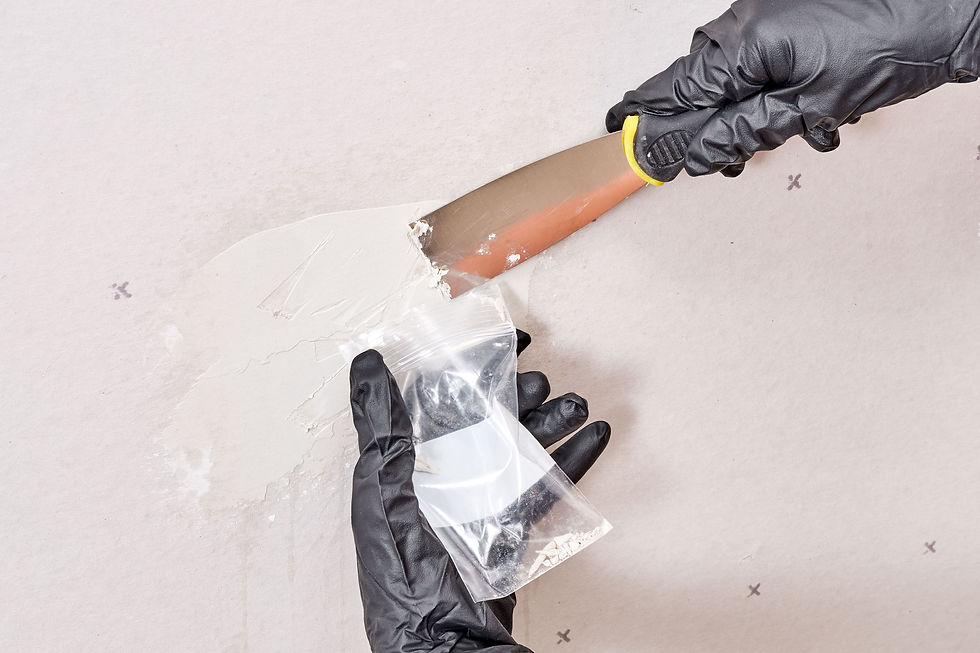
Radon Testing is typically the first service buyers request, and for good reason. Radon is a naturally occurring radioactive gas that seeps upward through soil and foundation cracks with no odor, no color, and no detectable taste. Water Quality Testing matters most for homes on private well systems, though municipal water can carry its own concerns about lead pipes, chlorine byproducts, and hardness. Mold & Air Quality Testing examines airborne spore counts and surface growth, which can compromise respiratory health long before visible staining appears. Together, these services create a complete environmental picture of what is actually living inside the home's air, water, and structure.
Why Radon Testing Deserves Special Attention in Western Pennsylvania
Pennsylvania carries one of the most significant radon problems in the country. Old mine workings beneath communities across Western Pennsylvania give radon gas easy pathways to the surface, and those pathways lead directly into basements and crawl spaces. A buyer in Aliquippa, Bethel Park, or Cranberry Township is purchasing into a geography where radon is a legitimate and documented concern, not a remote possibility.
The EPA sets its action level at 4.0 pCi/L. When a home tests above that threshold, the recommended response is mitigation, which typically involves installing a sub-slab depressurization system that vents radon safely away from living spaces. Testing takes roughly 48 hours using a certified short-term device. If you want more background on radon testing specifics for this region, the post on What Does a Home Inspection Include in Pittsburgh PA? covers that in detail. Mitigation is reliable and effective, but you need a test result in hand before you can negotiate repairs or credits.
What Pittsburgh, PA Homeowners Should Know About Local Conditions
Pittsburgh's housing stock is older than most buyers from other regions expect. Many homes in Allegheny County were built before modern environmental regulations, which means clay sewer laterals, aging galvanized water supply lines, and knob-and-tube electrical panels are common discoveries. A Sewer Scope inspection, which threads a camera through the lateral line from the house to the municipal connection, can reveal root intrusion, collapsed pipe sections, or offset joints before they become a post-closing emergency.
Water quality is another local variable. Homes on private wells in Washington County or Latrobe face different contaminant profiles than homes on Pittsburgh city water. Well water testing should screen for bacteria, nitrates, pH, hardness, and any site-specific concerns related to nearby agriculture or industrial activity. Even buyers on municipal water benefit from testing if the home has original lead service lines, which remain in parts of older Pittsburgh neighborhoods. A certified home inspector in Allegheny County who understands these local patterns can steer you toward the right combination of tests rather than a one-size-fits-all package.
How Timing and Sequencing Affect Your Environmental Testing Plan
The best time to order environmental testing is during the inspection contingency period, typically in the days immediately following an accepted offer. Most environmental tests require access to the home, a minimum dwell time for devices such as radon monitors, and lab processing for water samples. Running everything concurrently with your general home inspection saves time and keeps your contingency window intact.
For sellers, environmental testing before listing is an increasingly smart move. A Pre-Listing Inspection that includes radon and water quality testing removes uncertainty from the negotiation table. Buyers in competitive markets are more likely to submit clean offers when they know the environmental baseline has already been established. Costs vary depending on which tests you need, the size of the property, and site-specific factors, so contacting the inspection team directly for an accurate quote is always the right first step.
Questions Worth Asking Before You Schedule Environmental Testing
Before you book, ask your inspector which environmental tests are genuinely relevant given the property's age, water source, and location. A 1920s Craftsman in McKees Rocks with a private well and a coal-mine ridge behind it has a very different testing profile than a 2005 townhome in Cranberry Township on city water. The right inspector will listen to the specifics and recommend accordingly, not upsell tests that add no value for your situation.
Also ask how results are delivered and what happens if something tests above a threshold. A trusted certified home inspector will walk you through the findings in plain language, explain what remediation options exist, and help you understand whether a result is an immediate concern or a watch-and-monitor situation. That guidance is part of what makes professional testing worth the investment.
FAQ
What does environmental testing include for a home purchase?
Environmental testing for a home purchase typically includes radon gas testing, water quality analysis, mold and indoor air quality assessment, and wood-destroying insect inspection. Each test targets a hazard that a standard structural inspection cannot detect. Together, they give buyers a complete picture of conditions inside the home's air, water, and foundation area before closing.
How long does radon testing take during a home inspection?
A certified short-term radon test requires approximately 48 hours with all windows and doors closed except for normal entry and exit. The device is placed in the lowest livable area of the home, typically the basement or first floor. Results are usually available within a day or two of the monitor being retrieved and submitted for analysis.
Do I need water quality testing if the home is on city water?
Municipal water is treated, but older homes with original lead service lines or galvanized interior plumbing can still introduce contaminants at the tap. Testing remains worthwhile if the home was built before the 1980s or if the neighborhood has known infrastructure concerns. Homes on private wells always require water quality testing because no municipal treatment system is providing a baseline safety check.
Is radon a serious concern specifically in the Pittsburgh area?
Yes. Western Pennsylvania sits on geology that allows radon to migrate easily to the surface, and old underground mine workings throughout the region create additional pathways. Many homes in Allegheny County and surrounding communities test above the EPA action level. Radon is not a reason to walk away from a home, but it is a reason to test and, if needed, negotiate mitigation before closing.
What is a sewer scope inspection and why does it matter?
A sewer scope inspection runs a camera through the lateral line connecting the house to the municipal sewer main. Older Western PA homes commonly have clay lateral lines that crack, offset, or become infiltrated by tree roots over decades. Catching a failed lateral before closing prevents a repair bill that can reach several thousand dollars from landing entirely on the new owner.
Can First Class Home Inspections, LLC bundle environmental testing with a standard home inspection?
Yes. First Class Home Inspections, LLC offers radon testing, water quality testing, sewer scope inspections, and wood-destroying insect testing alongside a full home inspection, allowing buyers to coordinate everything in a single visit and keep their contingency timeline on track. Scheduling all services together is the most efficient approach for busy buyers navigating a competitive Pittsburgh market.
Schedule Your Environmental Testing with a Team That Knows Pittsburgh
First Class Home Inspections, LLC has helped buyers, sellers, and investors across Greater Pittsburgh and Western Pennsylvania feel confident before closing. Our team understands the specific environmental risks tied to this region's older housing stock, its geology, and its water systems, and we bring that local knowledge to every inspection we complete. Whether you are buying a century-old home in Bethel Park or a newer build in Cranberry Township, we can recommend the right combination of environmental tests for your specific property.
Environmental testing is not an added expense to be avoided. It is the due diligence that protects your family and your investment from hazards that no amount of fresh paint or staging will reveal. Explore the full range of services available at First Class Home Inspections, LLC and see why homebuyers across Western Pennsylvania trust our team to deliver clear, honest, actionable results.
Visit First Class Home Inspections, LLC or call 570-660-9337 today. Our environmental testing services give you the answers you need before you sign, so you can close with confidence. Contact us for more information.


Comments