
Why Does Indoor Air Quality Testing Matter?
You just toured a charming older home in Bethel Park or Sewickley, fell in love with the hardwood floors and the mature yard, and now you are ready to make an offer. What you did not think to ask is what you cannot see: the air circulating through that home every time the HVAC system runs. Mold spores, volatile organic compounds, and other airborne contaminants leave no obvious marks on the walls, no odor you can reliably detect during a 20-minute showing, and no warning label above the air vents.
That hidden risk is exactly why air quality testing deserves serious attention from Pittsburgh-area buyers, sellers, and investors alike. Many homeowners assume a standard inspection covers the air inside the home, but it does not. This post explains what indoor air quality testing in Pittsburgh actually involves, why it matters in Western Pennsylvania specifically, and how pairing it with a full inspection gives you a complete picture before you sign anything. Our Mold & Air Quality Testing service is designed to answer these questions directly, and understanding what it covers could be one of the most important steps you take before closing.

The Real Reason Contaminant Detection Belongs in Every Home Inspection
A standard home inspection evaluates the physical structure of a property: the roof, the foundation, the electrical system, the plumbing, and the mechanical systems. It does not sample the air. Indoor air quality testing is a separate, specialized service that identifies biological and chemical pollutants circulating inside the living space, including mold spores, bacteria, and other particulates that standard inspections are not equipped to detect.
The stakes are straightforward. Poor indoor air quality is linked to respiratory irritation, chronic fatigue, and long-term health concerns, particularly in homes where moisture problems have gone unaddressed. Older Western Pennsylvania housing stock is especially prone to hidden moisture intrusion because of basement construction styles common to the region and the clay-heavy soils that push water toward foundations during heavy rain. Testing before you close means you know exactly what you are buying, not what you assume you are buying.
For sellers, the calculation is equally clear. A Pre-Listing Inspection that includes air quality testing removes uncertainty from the transaction. Buyers feel more confident, negotiations move faster, and there are fewer surprises that derail a deal at the finish line.
What Most Buyers Get Wrong About Hidden Air Contaminants
The biggest misconception is that you can smell or see an air quality problem before it becomes serious. Some mold species produce a musty odor, but many do not. Elevated mold spore counts can exist in a home that smells perfectly fresh, particularly in finished basements or inside wall cavities where growth is concealed behind drywall. If you walked through a property and thought "it smells fine," that impression tells you very little about what is actually airborne.
The second misconception is that new construction is automatically safe. A newly built home in Cranberry Township or Monroeville that sat partially enclosed during a rainy season can develop elevated moisture levels and basement mold behind closed walls before a single family moves in. This is one reason a New Construction (Pre-Drywall) Inspection that includes air quality sampling is a genuinely smart investment, not a precaution reserved for old or distressed properties.
What Indoor Air Quality Testing in Pittsburgh Actually Looks Like
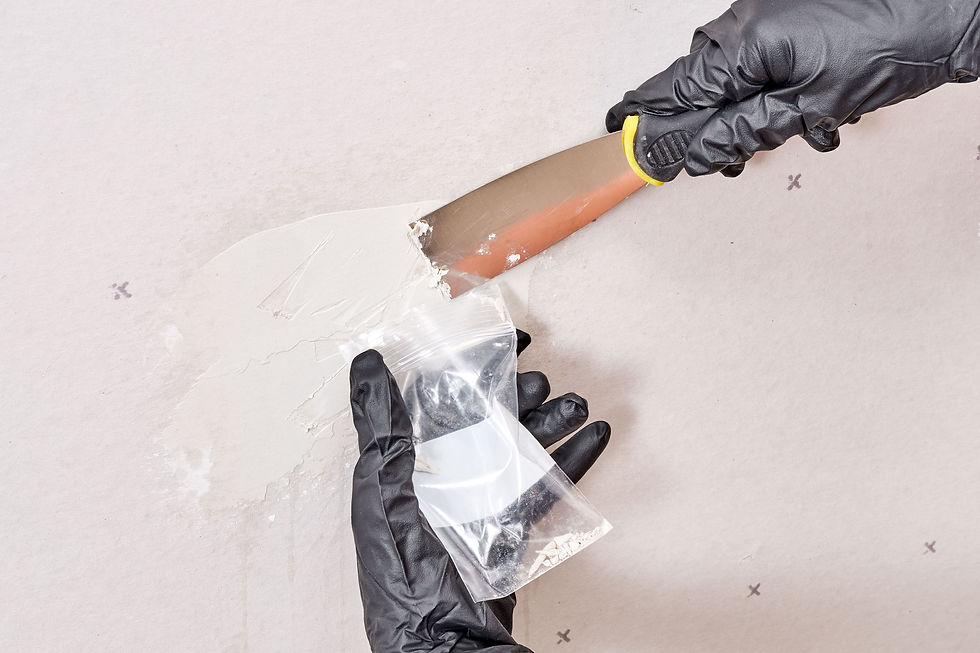
If you have never scheduled air quality testing before, the process is straightforward and non-invasive. A certified inspector places air sampling devices in the areas of highest concern, typically the basement, main living areas, and any rooms where moisture intrusion has been suspected or observed.
Outdoor control samples are collected at the same time to establish a baseline. Those samples are then sent to an accredited laboratory for analysis. The laboratory results identify the types and concentrations of mold spores and other particulates present, and your inspector interprets those findings in plain language. You will know whether the levels are elevated, what species were found, and whether remediation is warranted before you proceed.
Understanding the broader Home Inspection Process Timeline for Pennsylvania Real Estate can help you plan when to schedule air quality sampling so it fits naturally within your transaction timeline without causing delays.
When to Combine Atmospheric Testing With Other Inspections
The most efficient approach is to schedule air quality testing as part of a comprehensive inspection visit. That means the certified inspector is already on site examining the structure, and adding air samples costs little additional time. For buyers purchasing older homes in Allegheny County or surrounding areas, combining air testing with Radon Testing is especially practical. Radon and mold are two separate hazards that require two separate tests, but both can be completed during the same visit.
If the property relies on a private well, as many homes in Armstrong, Indiana, and Fayette Counties do, pairing air quality testing with Water Quality Testing gives you a truly complete picture of the health environment inside the home. Water-borne contaminants and airborne contaminants often share the same root cause: moisture intrusion, aging infrastructure, and deferred maintenance that affects more than one system at once.
For buyers who want to understand the full range of services available before scheduling, Understanding Home Inspection Services Available in Western Pennsylvania provides a helpful overview of how each service fits together.
The Role of Lab-Certified Results
Air quality testing is only as reliable as the laboratory analyzing the samples. Certified inspectors send samples to accredited labs that follow established protocols for identifying and quantifying mold genera and other particulates. The report you receive is not a subjective opinion; it is a documented, laboratory-confirmed analysis you can share with sellers, real estate agents, and attorneys if needed during negotiation.
Having that documentation in hand also protects you after closing. If air quality concerns surface months later, a pre-purchase lab report establishes a clear baseline and demonstrates that you exercised reasonable due diligence before taking ownership of the property.
The Hidden Risks of Moisture and Mold in Western PA Homes
Pittsburgh's climate creates specific conditions that favor indoor moisture problems. Western Pennsylvania experiences humid summers, cold winters, and significant seasonal precipitation, and older homes in communities like Aliquippa, McKees Rocks, and Washington were not built with the vapor barriers and modern sealing techniques that reduce moisture infiltration.
Basements in this region often act as moisture sinks, and a finished basement that looks pristine can harbor elevated mold counts in the wall cavities behind the paneling. Moisture detection during a Home Inspection (Single-Family) can flag visible concerns, but air sampling is the only way to confirm whether those concerns have already affected the air circulating through the living space.
Beyond climate, the age of the regional housing stock matters. Many homes in Allegheny County and the surrounding counties were built between the 1920s and the 1970s. Those decades of construction predated modern understanding of indoor air quality, and the materials used, from older insulation types to certain adhesives and finishes, can contribute to elevated particulate levels even without an active moisture problem. A certified home inspector serving buyers across Allegheny County understands these local patterns and knows exactly where to look. For more context on what a thorough inspection covers in this region, What Does a Home Inspection Include in Pittsburgh PA? is a reliable starting point.
What Indoor Air Quality Testing Costs and How to Think About It
Specific pricing varies depending on the size of the property, the number of rooms sampled, and which additional tests are included. Rather than quoting a figure that might not apply to your specific situation, the most reliable approach is to contact a trusted Pittsburgh home inspection company directly for an accurate quote based on your property's details.
The more useful framing is this: compared to the cost of mold remediation after closing, or the cost of health consequences that take months to connect to your home environment, the investment in indoor air quality testing in Pittsburgh before you sign is modest. Buyers who skip this step are not saving money; they are delaying the cost and absorbing the risk. That is a trade most informed buyers choose not to make.
About First Class Home Inspections, LLC
First Class Home Inspections, LLC brings certified expertise and deep regional knowledge to every inspection across Western Pennsylvania. Our inspectors hold ASHI certification, carry the credentials required under Pennsylvania state licensing requirements, and have more than 15 years of combined experience evaluating homes in Allegheny County and the surrounding region. We understand the construction patterns, the seasonal moisture challenges, and the specific air quality risks that affect Pittsburgh-area properties, and we apply that knowledge on every job. When you work with a certified inspector from our team, you receive documented, laboratory-backed results you can rely on to make confident decisions.
FAQ
What is indoor air quality testing and why should I get it done?
Indoor air quality testing samples the air inside a home to identify elevated concentrations of mold spores, bacteria, or other airborne particulates that a standard inspection does not detect. It gives buyers, sellers, and investors documented evidence of what is actually circulating through the living space before a transaction closes. The results come from an accredited laboratory, so they are objective and verifiable.
Is air quality testing only necessary for older homes?
No. While older homes carry higher risk due to construction materials and deferred maintenance, new construction can also develop moisture-related air quality issues during the building process if the structure was exposed to rain before being fully enclosed. Any home where moisture intrusion is suspected, regardless of age, is a reasonable candidate for air quality sampling.
How long does indoor air quality testing take?
The sampling portion of the process takes roughly 30 to 45 minutes on site, depending on the number of rooms being tested. Laboratory analysis typically returns results within a few business days. Your certified inspector will review the findings with you and explain what the numbers mean in practical terms, not just scientific ones.
Do I need both radon testing and air quality testing, or does one cover the other?
They test for completely different things. Radon is a radioactive gas that requires specialized equipment to detect and is a separate test entirely. Mold spores and other airborne particulates are identified through air sampling and laboratory analysis. Many Pittsburgh-area buyers schedule both during the same inspection visit because it is the most efficient way to get a full picture of the home's environment.
Can sellers use air quality testing results to help sell their home faster?
Sellers who complete a pre-listing inspection that includes air quality testing give buyers documented assurance about the home's condition. That transparency tends to reduce buyer hesitation, shorten negotiation timelines, and lower the likelihood of a deal falling apart after a buyer's inspection raises unexpected concerns. It positions the property as well-maintained and honestly represented.
What should I look for when choosing a certified inspector for air quality testing in Pittsburgh?
Look for an inspector who holds recognized credentials such as ASHI certification, carries the appropriate Pennsylvania state licensing, and has documented experience with air quality sampling in the local market. Ask whether samples are sent to an accredited laboratory and whether the inspector will walk you through the results in plain language. Reading through How to Choose the Best Home Inspector in Pittsburgh Pennsylvania can also help you ask the right questions before you commit.
How do I schedule air quality testing with First Class Home Inspections, LLC?
Call or contact First Class Home Inspections, LLC directly to describe your property and discuss which tests make sense for your situation. A certified inspector will walk you through the options, including whether combining indoor air quality testing in Pittsburgh with radon, water quality, or other services makes sense for the specific home you are evaluating. Scheduling is straightforward and can typically be arranged quickly to fit your transaction timeline.
Protect Your Investment With a Complete Home Inspection in Pittsburgh
Our team at First Class Home Inspections, LLC has helped hundreds of Pittsburgh-area buyers, sellers, and investors get reliable, documented answers about the homes they are considering. We understand the regional conditions that affect air quality across Western Pennsylvania, from the humid basements common in older Allegheny County neighborhoods to the private well properties in the rural counties east and south of the city. When you know what is in the air, you can make decisions with confidence rather than hope.
Air quality concerns do not have to derail your plans or leave you guessing. The right inspection, completed before closing, gives you the information you need to negotiate, plan, or walk away with your eyes open.
Visit First Class Home Inspections, LLC or call 570-660-9337 today. Scheduling a full inspection that includes air quality testing is one of the most reliable ways to protect both your health and your investment. Contact us for more information.



Comments