
What Is Lead Paint Testing and When Is It Required?

You are under contract on a charming older home in Sewickley, the hardwood floors are gorgeous, the bones are solid, and then your real estate agent mentions lead paint. Suddenly a word you associated with history textbooks becomes a very present concern. The question is not whether older homes have lead paint; many do. The question is what you are supposed to do about it, and whether testing is required or simply smart.
In Pennsylvania, lead paint testing sits at the intersection of federal disclosure law, local lending requirements, and plain common sense for anyone buying or living in an older property. This post explains exactly what lead paint testing involves, when it is legally required, and what homebuyers, sellers, and investors in Pittsburgh need to know before closing a deal. If you are already thinking about a full inspection, our Mold & Air Quality Testing page gives you a broader picture of the environmental health services that pair naturally with lead testing.

Older Housing Stock Makes Pittsburgh a High-Priority Market
Western Pennsylvania's housing inventory skews old. Pittsburgh and its surrounding communities, from Bethel Park to McKees Rocks to Aliquippa, were built out heavily between the 1880s and the 1960s, long before the federal government banned lead-based paint in residential properties in 1978. That means a substantial portion of the region's homes may contain lead paint in some form, whether on trim, window sashes, doors, or beneath layers of newer paint.
Testing for lead carries particular relevance in Pennsylvania because age of construction is the single most reliable predictor of lead presence. If you are buying a pre-1978 home in this region, the statistical likelihood that lead paint exists somewhere in the structure is real enough to take seriously. The risk is not the paint itself when it is in good condition; it is deteriorating, chipping, or disturbed paint that creates hazardous dust and chips, especially dangerous for children under six and pregnant women.
The Federal Rules That Every Pennsylvania Buyer Needs to Understand
Under the federal Residential Lead-Based Paint Hazard Reduction Act, sellers and landlords of pre-1978 housing must disclose any known lead-based paint hazards before the sale or lease is finalized. Buyers of pre-1978 homes must also be given a 10-day window to conduct a lead paint inspection or risk assessment, though they can waive this right in writing. This disclosure requirement applies regardless of whether the state of Pennsylvania has its own additional rule in place, and it applies to virtually every residential real estate transaction involving older housing.
What the federal rule does not do is require a seller to test. It requires disclosure of what the seller already knows. That gap matters enormously for buyers. A seller who has never tested a home can truthfully say they have no known lead hazards, even if lead paint is present throughout. This is why a buyer-initiated lead paint inspection is one of the most protective steps you can take on an older property, regardless of what the seller's disclosure form says.
When Your Lender or Contract May Require Testing
Beyond disclosure rules, lead paint testing can become a condition of financing. FHA and VA loans both carry stricter property condition requirements than conventional loans, and a home with visibly peeling or chipping paint on a pre-1978 property may trigger a mandatory lead assessment before the loan can close. In these situations, testing is not optional; it is a prerequisite for the transaction to proceed.
Pre-Listing Inspections and the Seller's Perspective
Sellers are increasingly using pre-listing inspections to get ahead of surprises, and lead testing can be a valuable part of that strategy. A seller who commissions testing before listing a pre-1978 home in Washington or Latrobe gains two things: accurate information to put on the disclosure form, and the ability to address any identified hazards before buyers start making demands mid-contract. That kind of transparency tends to build buyer confidence and smooth the negotiation process considerably.
Real Estate Investors and Rental Properties
Investors operating in Pittsburgh's rental market face an additional layer of responsibility. Federal rules for pre-1978 rental properties require ongoing disclosure to tenants, and many local jurisdictions have their own lead-safe certification requirements for rental units. An investor who buys without testing is inheriting unknown liability. Pairing lead paint testing with services like Radon Testing and Water Quality Testing gives an investor a thorough picture of a property's environmental health before committing.
What Lead Paint Testing Actually Involves
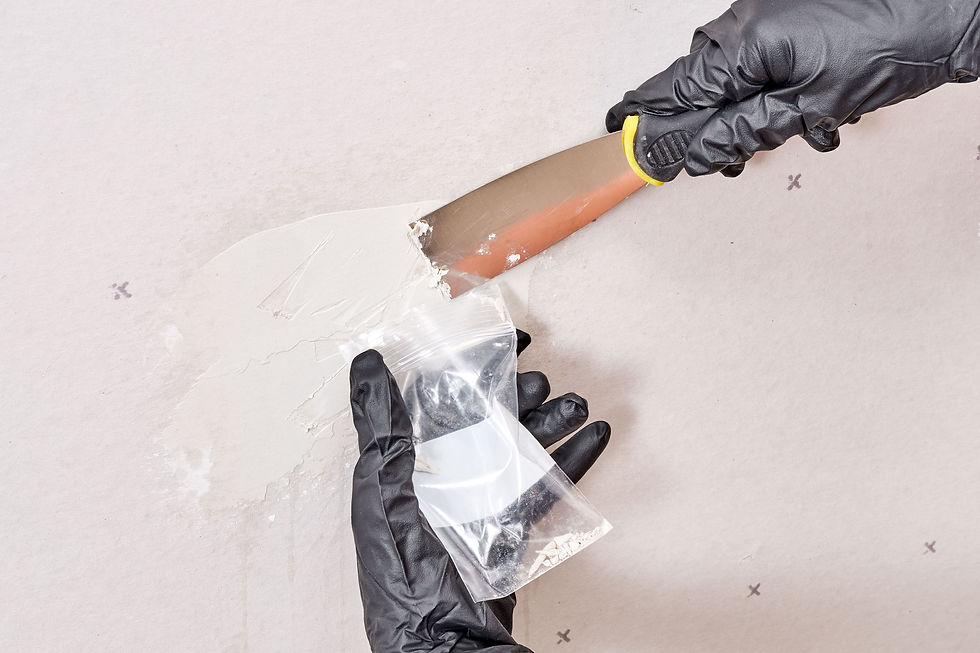
There are two distinct types of assessments worth understanding. A lead paint inspection determines whether lead-based paint is present on surfaces throughout a home. An inspector uses an XRF (X-ray fluorescence) analyzer or takes paint chip samples for laboratory analysis to identify lead content on painted surfaces. This tells you where lead paint exists but does not assess the condition of those surfaces or the level of risk they pose.
A lead risk assessment goes further. It identifies lead hazards, meaning surfaces or conditions where lead exposure is likely to occur, including deteriorating paint, lead-contaminated dust, and lead in bare soil around the foundation. If a risk assessment confirms hazardous conditions, the next step is remediation or lead-safe encapsulation, depending on the severity and location of the hazard. If you have read about related environmental concerns in detail, our post on Lead Paint Testing Services in Western Pennsylvania covers the regulatory landscape in additional depth.
What Lead Testing Costs and How Long It Takes
The cost of lead paint testing varies depending on the size of the home, the type of assessment requested, and the scope of sampling involved. A full XRF inspection of a large older home will differ in price from a targeted paint chip sampling of a few suspect surfaces. Because no two properties are identical, quoting a flat number here would be misleading; the right approach is to contact a certified inspector directly and describe the property so you can get an accurate quote.
Timing is generally straightforward. A lead paint inspection or risk assessment can typically be completed in one visit, with results from XRF analysis available immediately and laboratory results for paint chip samples usually returned within a few business days. For buyers working within a contracted inspection period, this timeline is entirely manageable, and scheduling early in that window is always the smarter move.
What Separates a Meaningful Lead Inspection from a Surface-Level One
Not all lead testing is equal. A thorough inspection covers all painted surfaces systematically, including interior trim, windows, doors, exterior siding, and outbuildings, not just the areas that look problematic at a glance. Lead paint that is intact and well-adhered presents a very different situation than paint that is cracking at a window channel where friction creates dust every time the window opens. A certified inspector knows the difference and communicates findings clearly so you can make informed decisions.
At First Class Home Inspections, LLC, a lead paint test fits naturally alongside the broader inspection process. Western PA transactions routinely involve wood-destroying-insect inspections for termites and carpenter ants, and homes in rural parts of the service area across Armstrong, Indiana, and Fayette Counties often run on private wells, which makes Water Quality Testing a standard part of a complete evaluation. A thorough inspector treats environmental concerns as part of a unified picture, not separate afterthoughts.
FAQ
What is lead paint testing and why does it matter for Pennsylvania homebuyers?
Lead paint testing is a professional assessment that identifies whether lead-based paint is present on surfaces in a home and, in a risk assessment, whether those surfaces pose an active hazard. It matters in Pennsylvania because a large share of the state's housing stock predates the 1978 federal ban on residential lead paint use, making it a realistic concern for buyers in Pittsburgh and surrounding communities.
Is lead paint testing required when buying a house in Pennsylvania?
Federal law requires sellers of pre-1978 homes to disclose known lead hazards and give buyers a 10-day inspection opportunity, but does not mandate that a test actually be performed. However, FHA and VA loans may require a lead assessment if visibly deteriorating paint is present, and buyers can always commission testing independently within their contracted inspection window.
How long does a lead paint inspection take to complete?
Most lead paint inspections can be completed in a single visit to the property. XRF testing produces immediate on-site results, while paint chip samples sent to a laboratory typically come back within a few business days. For buyers operating within a standard inspection period, the timeline is manageable when testing is scheduled promptly.
Do sellers in Pittsburgh have to fix lead paint before closing?
Sellers are not automatically required to remediate lead paint as a condition of sale unless a lender, like an FHA or VA lender, imposes that requirement based on the property's condition. In conventional transactions, how lead paint findings are handled is usually a matter of negotiation between buyer and seller, sometimes resulting in price adjustments or seller-funded remediation credits.
Is lead paint testing different from a general home inspection?
Yes, lead paint testing is a specialized environmental assessment distinct from a standard home inspection. A general home inspection evaluates the structural, mechanical, and safety systems of a home, while a lead inspection focuses specifically on the presence and condition of lead-based paint. Many homebuyers choose to schedule both simultaneously to keep the process efficient.
Does First Class Home Inspections, LLC offer lead paint testing in the Pittsburgh area?
First Class Home Inspections, LLC offers a full range of inspection and environmental testing services for buyers, sellers, and investors across Greater Pittsburgh and Western Pennsylvania. Contact the team directly to discuss lead testing options, scheduling, and what type of assessment fits your specific property and transaction.
What happens if lead paint is found during an inspection?
Finding lead paint does not automatically derail a transaction. The next step depends on the condition of the paint. Intact, well-adhered lead paint may require no immediate action beyond disclosure and monitoring. Deteriorating or disturbed paint typically calls for professional remediation or encapsulation, and the buyer and seller can negotiate how those costs are handled as part of the purchase agreement.
Protect Your Purchase with a Trusted Pittsburgh Inspection Team
Buying an older home in Pittsburgh or across Western Pennsylvania is often a smart investment, and it does not have to come with unwanted surprises. Understanding where lead paint may exist, what condition it is in, and how it affects your transaction puts you in control of the process rather than at the mercy of it. First Class Home Inspections, LLC has helped buyers, sellers, and investors throughout the region make confident, informed decisions with trusted professional guidance.
Our team brings the same thorough, detail-oriented approach to lead paint testing that we apply to every inspection we perform, whether that is a full pre-purchase evaluation in Cranberry Township or a Pre-Listing Inspection in Monroeville. With years of experience serving Pittsburgh homeowners and the surrounding communities of Western Pennsylvania, we know the local housing stock, the regulatory landscape, and what it takes to deliver a complete picture of a property's condition.
Visit First Class Home Inspections, LLC or call 570-660-9337 today. Scheduling your lead paint test early in the inspection process gives you the time and information to negotiate from a position of confidence. Contact us for more information.



Comments