
What Is Asbestos Testing and Do You Need It?
You find a house you love in Sewickley or Bethel Park, built sometime in the 1960s. The bones are solid, the price is right, and your agent says the sellers are motivated. Then someone mentions asbestos, and suddenly you are not sure whether you are walking into a dream home or a liability. That uncertainty is completely normal, and it is also completely solvable.
Asbestos concerns trip up buyers, sellers, and investors across the Pittsburgh area every year, not because the material is always dangerous, but because people rarely know what they are dealing with until a qualified professional takes a look. This post explains what asbestos testing actually involves, when Pennsylvania homeowners should take it seriously, and how it fits alongside other environmental checks such as Radon Testing, all essential when making an informed property decision.
Asbestos Is Common in Older Homes, But Its Presence Alone Is Not a Crisis
Asbestos is a naturally occurring mineral that was woven into hundreds of building materials from the 1940s through the late 1970s. Pipe insulation, floor tiles, ceiling tiles, roofing shingles, joint compound, and textured paint all commonly contained it. The U.S. Environmental Protection Agency did not ban most asbestos-containing products until 1989, which means a staggering number of homes built before that era still contain the material.
Here is what that means: the presence of asbestos does not automatically mean danger. Asbestos becomes a health hazard when fibers are released into the air and inhaled over time. Intact, undisturbed materials generally pose little risk. The real concern arises when materials are deteriorating, when renovation work is planned, or when a home has been disturbed through previous repairs or remodeling. A professional asbestos testing Pennsylvania home assessment tells you which category you are dealing with before you sign anything.
Health Risks and When Asbestos Becomes Dangerous
Understanding the health dimension of asbestos helps clarify why testing matters and when it is truly urgent. Asbestos fibers, when inhaled repeatedly over time, are linked to serious conditions including mesothelioma, asbestosis, and lung cancer. These are not short-term reactions. They develop after prolonged exposure, which is why the focus in residential settings is on identifying friable or damaged materials rather than treating every intact floor tile as an emergency.
Friable asbestos is material that can be crumbled or reduced to powder by hand pressure. Pipe wrap that is flaking, ceiling texture that has been sanded, or duct insulation that is deteriorating all fall into higher-risk categories. Non-friable materials, meaning those that are firmly bonded and undisturbed, are generally considered lower risk as long as they remain intact. The distinction matters because it shapes the recommendation that follows a positive lab result. Not every positive test leads to immediate abatement. Some situations call for encapsulation or ongoing monitoring, and a certified home inspector familiar with Allegheny County properties can help interpret what the findings actually mean for your specific situation.
The Laboratory Analysis Process Explained
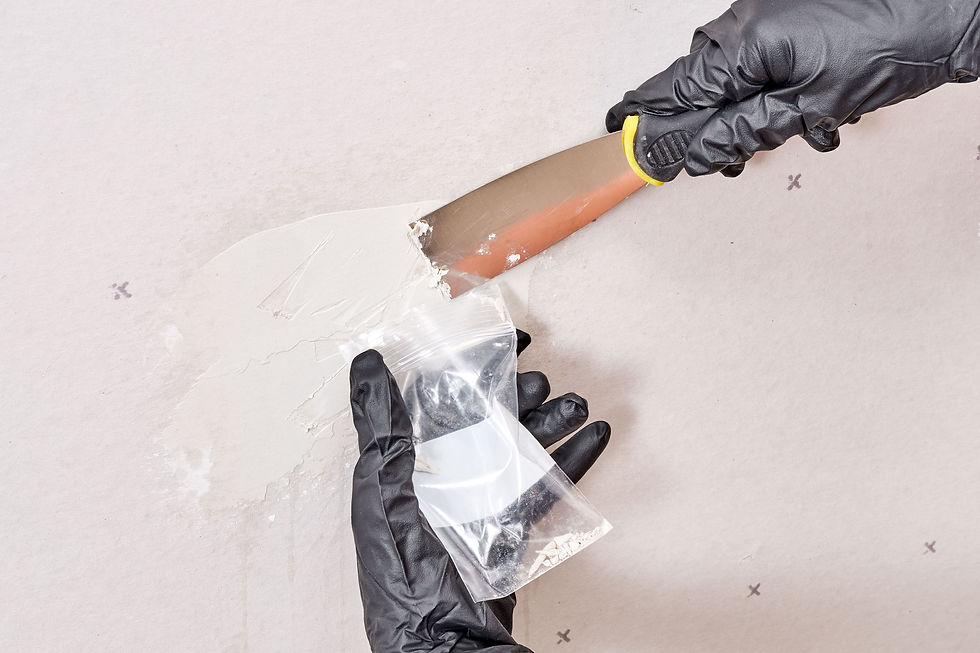
Asbestos testing is a two-step process. First, a trained inspector or certified industrial hygienist collects samples from suspected materials, things like floor tiles, ceiling texture, duct wrap, or attic insulation. The sampling is careful and controlled to avoid releasing fibers into the air. Those samples are then sent to an accredited laboratory that analyzes the material and reports back whether asbestos fibers are present and at what concentration.
The results guide every decision that follows. If materials test negative, you move forward with confidence. If they test positive, you now have specific, factual information to bring back to the negotiating table, include in a repair request, or use to plan a professional abatement before renovation begins. Knowledge is the asset here. Guessing at what might be in the walls is never a strategy worth trusting on a transaction this large. Our certified inspectors bring this analytical approach to every asbestos testing Pennsylvania home evaluation we conduct, so clients leave with clear answers rather than vague impressions.
Why Pittsburgh's Industrial Past Matters for Home Buyers Today
Pittsburgh has one of the oldest housing inventories of any major American city. Many neighborhoods throughout Allegheny County and surrounding communities like Washington, McKees Rocks, and Aliquippa have homes that date to the early twentieth century. Steel-industry-era construction relied heavily on insulation and fireproofing materials that contained asbestos as standard practice, not as an exception.
That history makes asbestos testing a practical consideration rather than a remote precaution for buyers and sellers in this region. A certified home inspector with regional expertise will recognize the materials and construction techniques most likely to contain asbestos and flag them for sampling. This regional knowledge matters because a generic national checklist will never account for the specific way homes were built and maintained across greater Pittsburgh over the past century. For a broader look at what a thorough property assessment covers in this market, our post on What Does a Home Inspection Include in Pittsburgh PA? offers helpful context.
When a Pre-Listing or Pre-Purchase Inspection Should Include Environmental Testing
Timing is everything with environmental testing. For buyers, ordering testing before finalizing a purchase gives you real use. A positive result does not have to kill a deal; it simply gives both parties accurate information to negotiate around. For sellers in Pittsburgh who want a smooth transaction, a Pre-Listing Inspection that includes environmental screening removes surprises that could derail a contract weeks before closing.
Costs for asbestos testing vary depending on the size of the home, the number of samples needed, and the materials being assessed. Because every property is different, the most reliable way to understand what you would be looking at is to contact a qualified inspector and describe the property directly. Pairing asbestos testing with Water Quality Testing and Mold & Air Quality Testing during the same inspection visit is often a practical choice, since you capture a complete environmental picture of the home in one efficient process rather than scheduling multiple visits.
What to Ask Before Scheduling an Asbestos Assessment
Not every home inspector is trained to collect asbestos samples, and not every state requires the same certifications. In Pennsylvania, asbestos inspectors and abatement contractors must meet specific licensing requirements, so asking about credentials before scheduling matters. You also want to ask whether the inspector will send samples to an accredited laboratory, how long results typically take to return, and what the report will include in terms of recommendations.
It is also worth thinking about scope. If your home was built before 1980 and you are planning any renovation work, even a bathroom remodel or a basement finishing project, a targeted assessment of the areas you plan to disturb is a smart step before any contractor picks up a tool. For more detail on how asbestos-related requirements apply to Pennsylvania properties specifically, our post on Understanding Asbestos Testing Requirements for Pennsylvania Homes walks through the regulatory landscape in plain language.
Certified Inspector Credentials and What They Mean for Your Assessment
When scheduling any asbestos testing Pennsylvania home evaluation, the credentials of the person conducting it deserve close attention. Pennsylvania maintains specific licensing requirements for inspectors who collect asbestos samples, separate from the licensing that governs general home inspection work. Asking to see those credentials before booking is not an unreasonable request. It is the kind of due diligence that protects you.
First Class Home Inspections, LLC is a certified inspection firm serving Pittsburgh, Allegheny County, and communities across Western Pennsylvania. Our inspectors hold the certifications required to conduct thorough environmental assessments and are trained to recognize the construction patterns and materials most commonly associated with asbestos use in regional housing stock. When you schedule an inspection with our team, you are working with professionals who understand the difference between a material that needs immediate abatement and one that simply needs to be documented and monitored.
For buyers who want a full picture of what a Home Inspection (Single-Family) covers alongside environmental testing, or for investors considering a Commercial Inspection of an older Pittsburgh-area property, our team can help you determine the right combination of services for your timeline and goals. You can also explore how other inspectors in this market approach credentials and service selection in our post on How to Choose the Best Home Inspector in Pittsburgh Pennsylvania.
FAQ
What is asbestos testing and how does it work for a Pennsylvania home?
Asbestos testing involves collecting physical samples from suspected building materials and sending them to an accredited laboratory for analysis. A trained inspector identifies the most likely locations, takes controlled samples to minimize fiber release, and provides a written report based on lab results. The report tells you whether asbestos is present and helps guide decisions about abatement, renovation safety, or negotiation.
Is asbestos testing required when buying or selling a home in Pennsylvania?
Pennsylvania does not mandate asbestos testing as a condition of every real estate transaction. However, sellers are generally required to disclose known material defects, and asbestos-containing materials in deteriorating condition can qualify as one. Buyers who want certainty typically request testing as part of their due diligence, especially with pre-1980 homes.
How long does it take to get asbestos test results back?
Laboratory turnaround times typically range from a few days to about a week for standard testing, with expedited options available when a transaction is on a tight deadline. Your inspector can tell you what to expect based on the lab they use. Planning testing early in the inspection period gives you the most flexibility to act on results.
Do newer homes in the Pittsburgh area need asbestos testing?
Homes built after approximately 1980 carry a much lower risk because most asbestos-containing materials had been phased out of residential construction by that point. However, if a newer home underwent significant renovation using older salvaged materials, or if its history is unclear, testing may still be warranted. A certified home inspector familiar with Allegheny County properties can assess whether there is a realistic concern worth investigating.
What happens if asbestos is found in a home I want to buy?
A positive result does not mean the deal is over. It means you now have documented information to work with. Depending on the condition and location of the material, options include professional abatement before closing, a price adjustment, a seller credit, or in some cases simply monitoring intact materials that pose no immediate risk. The right path depends on the specific findings in your report.
Does First Class Home Inspections, LLC offer asbestos-related testing services?
For a full picture of what environmental testing and inspection services are available for your property, we encourage you to read Understanding Asbestos Testing Requirements for Pennsylvania Homes and then reach out directly. Every property is different, and our team can help you determine which combination of tests makes sense for your specific home, timeline, and budget.
How does asbestos testing fit into a broader home inspection in Pittsburgh?
Asbestos testing is one component of a thorough environmental assessment and works best when paired with other services like radon testing, mold and air quality testing, and a standard structural inspection. For older Pittsburgh-area homes especially, bundling these services during a single inspection visit is efficient and gives you a complete picture of the property before you commit. Our post on Understanding Home Inspection Services Available in Western Pennsylvania explains how these services work together.
Get a Trusted Environmental Assessment Before You Commit to a Pittsburgh Home
Our team at First Class Home Inspections, LLC has helped buyers, sellers, and investors across Pittsburgh, Bethel Park, Cranberry Township, and the rest of Western Pennsylvania get the factual answers they need before making one of the biggest financial decisions of their lives. We understand the regional construction history that makes environmental testing such a meaningful part of a thorough home inspection here, and we bring that knowledge to every property we assess.
Whether you are purchasing a century-old home in a classic Pittsburgh neighborhood or preparing to list a mid-century property in Washington, having a complete environmental picture protects your investment and your peace of mind. Pennsylvania DEP guidance also recommends retesting for radon every five years even after a clean result, which is a reminder that environmental conditions in homes are not static. Staying ahead of them is always easier than reacting after the fact.
Visit First Class Home Inspections, LLC or call 570-660-9337 today. Our certified inspectors give you the factual foundation you need to move forward with confidence on any Pittsburgh-area property. Contact us for more information.


Comments