
What Home Inspectors Wish Buyers Knew?
- First Class Home Inspections
- 2 days ago
- 8 min read
Key Takeaway
A home inspection is not a pass-or-fail test, but a detailed snapshot of a property's condition that reveals what buyers cannot see on a walkthrough and gives them real leverage before closing.
Radon is a serious regional concern in Pittsburgh, where old mine workings beneath the soil create direct pathways for the gas to enter homes through foundation cracks, sump pits, and crawl spaces.
Attending your inspection in person and asking questions as the inspector works gives you far more insight than reading the final report alone ever could.
Sellers in competitive Pittsburgh neighborhoods benefit just as much as buyers from a professional pre-listing inspection, which removes the guesswork and prevents last-minute deal disruptions.
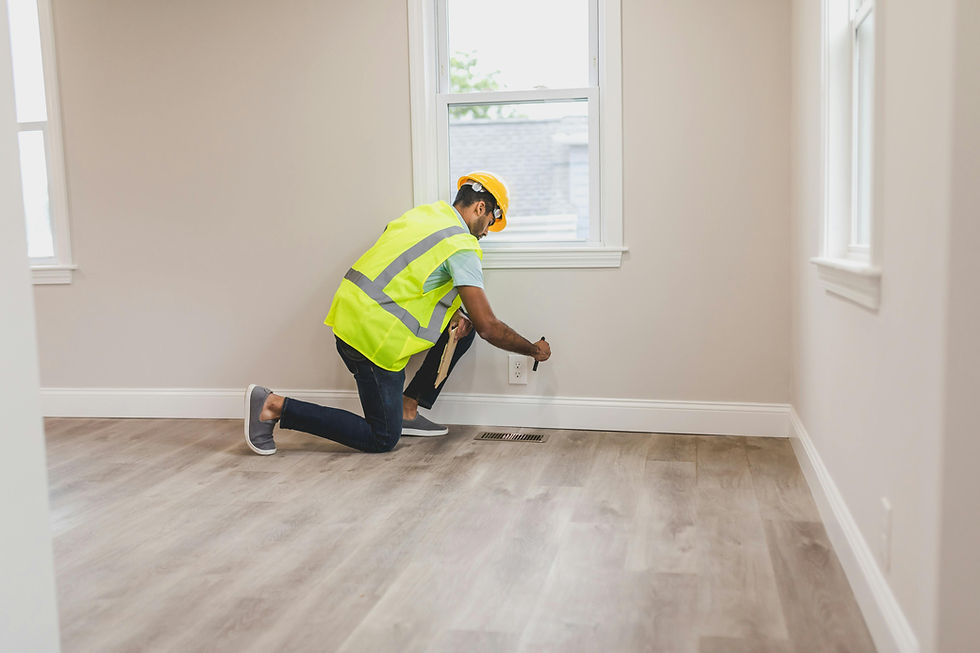
You are two days away from making an offer on a home in Bethel Park, and you feel good about it. The neighborhood is right, the price fits your budget, and the house looks solid from the outside. Then the inspection report arrives. Suddenly you are reading about an aging electrical panel, slow-draining plumbing throughout the first floor, and a crawl space showing active moisture intrusion. None of it was visible on your walkthrough. Now you are not sure whether to negotiate, ask for repairs, walk away, or simply hope that none of it is as serious as it sounds.
This is the situation an experienced inspector sees play out regularly across Greater Pittsburgh. Most of the time, it is not that the problems are catastrophic. It is that the buyer had no framework for understanding what they were looking at, what was urgent, and what was routine. When buyers come into the process informed, inspection day becomes an asset instead of an anxiety spiral. Here is what seasoned inspectors in this region wish every buyer knew before they scheduled their first appointment. Reviewing What Does a Home Inspection Include in Pittsburgh PA? is a smart first step before that day arrives.
What a Home Inspection Actually Is, and What It Is Not
Here in Pittsburgh, this distinction matters more than buyers often expect. The city's housing stock skews older than the national average. Many homes in neighborhoods like Lawrenceville, Carrick, and Mt. Washington were built in the mid-20th century or earlier, and they carry the characteristics of that era: knob-and-tube wiring that has occasionally been spliced incorrectly, original cast iron drain lines that have slowly deteriorated, and HVAC systems that were sized for a different era of insulation standards.
A Home Inspection (Single-Family) evaluates the visible and accessible systems and components of a property, covering the foundation, roof, electrical, plumbing, HVAC, insulation, and more. The goal is an honest, objective picture of the home's current condition. What it is not is a code-compliance audit or a guarantee that nothing will go wrong in the future. It is a professional assessment of what exists right now, what is functioning as intended, and what deserves immediate attention. Inspectors working Pittsburgh neighborhoods are not rubber-stamping properties or looking for reasons to kill deals. They are giving buyers the information they need to decide with clarity.
The Radon Reality Every Pittsburgh Buyer Should Understand
Pennsylvania has one of the most serious radon problems in the country. Roughly 40 percent of homes in the state test above the EPA action level of 4.0 picocuries per liter. In the Greater Pittsburgh area, the issue is compounded by old mine workings beneath the ground that create direct pathways for radon gas to rise into homes through foundation cracks, sump pits, and crawl spaces. Radon is colorless, odorless, and completely undetectable without a test.
Inspectors who work this region hear some version of the same comment regularly: the seller tested years ago and it came back fine, so why bother testing again? The answer is that radon levels shift over time. Foundation settling, soil movement, and seasonal pressure changes can all alter how gas travels into a home. The Pennsylvania DEP recommends testing every five years, even after a previous clean result, and the variation between two houses on the same street can be significant.
Radon Testing is straightforward, affordable relative to the health risk involved, and can be completed during the standard inspection window. If elevated levels are found, mitigation systems are effective, widely available, and not as expensive as most buyers fear. Do not let this step be treated as optional on any Pittsburgh-area purchase.
Inspections Are Not Only for Buyers
Many sellers in communities like Sewickley, Monroeville, and Cranberry Township are now choosing to schedule a professional inspection before their home ever hits the market. A Pre-Listing Inspection allows sellers to address issues on their own timeline, price any necessary repairs competitively, and avoid the renegotiation scramble that often derails a deal after a buyer's inspection surfaces problems.
The practical benefit is straightforward. A seller who already has an inspection report available signals transparency to buyers, which builds confidence and reduces the odds of a deal collapsing at the eleventh hour. Investors evaluating multi-unit or commercial assets across Greater Pittsburgh can explore Commercial Inspection services to apply the same level of professional scrutiny to larger acquisitions. The principle is the same regardless of property type: knowing what you have before you negotiate is always the stronger position.
Timing, Cost, and What to Expect on Inspection Day
Inspection fees vary depending on the size, age, and condition of the property, as well as which add-on services are included, such as Water Quality Testing, Sewer Scope, or Wood Destroying Insect Inspection. Because every property is different, contacting the inspector directly for a quote based on the specific home is always the most accurate path.
Plan for two to four hours for a typical single-family home. Being present during the inspection is strongly encouraged. Walking through the property alongside the inspector in real time, asking questions as issues are identified, gives you a depth of understanding that the written report alone simply cannot replicate. Inspectors can point to exactly what they are looking at, explain what it means in plain language, and help you understand whether something requires immediate action or just ongoing monitoring. Buyers who attend their inspection are consistently better equipped to negotiate and make decisions they feel good about.
Signs You Should Never Skip an Inspection
Competitive markets tempt some buyers to waive their inspection contingency, but this carries real risk, particularly given Pittsburgh's older housing stock. Homes built in the mid-20th century commonly have electrical, plumbing, and mechanical systems that are well past their useful life, and these are not cosmetic concerns. To understand how the full process unfolds from scheduling through final report, Home Inspection Process Timeline for Pennsylvania Real Estate lays it out clearly.
Watch for these signals that make a thorough inspection non-negotiable:
Visible cracks in the foundation or exterior masonry
Evidence of water intrusion in the basement or crawl space
A furnace or water heater that appears to be more than 15 years old
Any sign of a previous DIY renovation without permits
A home that has been vacant for an extended period
A certified inspector serving Allegheny County brings trained eyes to each of these areas and identifies what an untrained buyer standing in the same room might never notice.
What Makes First Class Home Inspections, LLC the Right Choice in Pittsburgh, PA
With years of experience serving buyers, sellers, and investors across Greater Pittsburgh and Western Pennsylvania, First Class Home Inspections, LLC has built a reputation on thorough, honest work that helps clients move forward with real confidence. The team serves communities from Washington and Aliquippa to McKees Rocks and well beyond, with local knowledge that shapes how every property is evaluated. To see what clients say about that experience firsthand, the testimonials page is worth a few minutes of your time.
Every inspection is conducted with the detail and communication that serious real estate decisions deserve. Whether you need a standard residential inspection, Mold & Air Quality Testing, or a New Construction (Pre-Drywall) Inspection, you get a complete picture of what you are buying before you are committed to it.
People Also Ask
How long does a home inspection take in Pittsburgh?
Most single-family home inspections in the Pittsburgh area take between two and four hours, depending on the size and age of the property. Larger homes or older construction with more complex systems may run longer. Add-on services like radon testing or a sewer scope will extend the appointment slightly.
Is radon testing worth it when buying a house in Pittsburgh, PA?
Yes, without exception. Pennsylvania has one of the highest rates of elevated radon in the country, and the geology of the Pittsburgh region, shaped in part by historical mine workings, creates conditions that allow radon to travel easily into homes. Testing is low cost relative to the health risk involved and can be completed during a standard inspection appointment.
What is a pre-listing inspection and do sellers need one?
A pre-listing inspection is a professional evaluation conducted before a home is listed for sale. It gives sellers an honest look at the property's condition so that issues can be addressed proactively rather than surfacing as surprises during a buyer's inspection. Many sellers find that having a complete inspection report available builds buyer confidence and reduces last-minute renegotiations.
How often should a home be inspected for radon?
The Pennsylvania DEP recommends testing for radon every five years, even after a previous clean result. Radon levels can shift over time due to foundation settling, changes in soil conditions, and seasonal pressure differences. Regular testing is the only reliable way to know the current level inside a specific home.
FAQ
Should I attend my home inspection in Pittsburgh?
Yes. Being present allows you to walk the property alongside the inspector, ask questions as findings come up, and understand the context behind each item before you read the report later. Buyers who attend their inspection consistently report feeling more prepared to negotiate and more confident in their final decision.
What add-on services should I consider beyond a standard inspection?
In the Pittsburgh area, radon testing is strongly recommended given the region's elevated risk profile. Water Quality Testing is valuable for homes on private well systems. A Sewer Scope is worth considering for older homes where root intrusion or pipe deterioration is a realistic concern.
Can I use a home inspection report to negotiate the price?
Yes. A professional inspection report provides documented evidence of material defects, which can support a request for repairs, seller credits, or a price adjustment. Your real estate agent can help you identify which findings are worth pursuing and which are typical for a home of that age and condition.
What is the difference between a home inspection and an appraisal?
A home inspection evaluates the physical condition of the property for the buyer's benefit. An appraisal is conducted by a licensed appraiser to establish market value for the lender's benefit. They serve entirely different purposes, and a lender-ordered appraisal does not replace the need for a buyer-commissioned inspection.
Schedule Your Pittsburgh Inspection with a Team That Gets It Right
If you are buying, selling, or investing in property across Greater Pittsburgh and Western Pennsylvania, working with an experienced local inspection team is one decision you will not regret. Whether your property is in Cranberry Township, Bethel Park, or anywhere in between, you deserve an inspector who communicates clearly, arrives prepared, and delivers a report you can actually act on. Our team has helped hundreds of Pittsburgh-area clients protect their investment and close with confidence.
Visit First Class Home Inspections, LLC or call 570-660-9337 today. A professional inspection is the single most protective step you can take before closing on any property in Western Pennsylvania. Contact us for more information.


Comments