
9 Things Your Home Inspector Wishes You Knew
- First Class Home Inspections
- 2 days ago
- 8 min read
Key Takeaway
Attending your home inspection gives you real-time insight into the property's condition that no written report can fully replicate.
Pennsylvania has one of the worst radon problems in the country, and Pittsburgh-area homes face unique risks due to old mine workings beneath the region that create underground pathways for radon gas to enter living spaces.
A pre-listing inspection helps sellers control the narrative before buyers find problems, reducing the chance of last-minute deal disruptions.
Knowing what inspectors can and cannot assess helps buyers set realistic expectations and make smarter negotiating decisions.

You finally found the house. The offer is accepted, the excitement is real, and now someone mentions the home inspection as if it were just another checkbox to tick. Here is the truth: too many buyers treat the inspection as a formality and walk away without a fraction of the knowledge they could have gained. That is a costly mistake on a purchase that likely represents the biggest financial commitment of your life.
The good news is that a little preparation changes everything. When Pittsburgh, PA homebuyers understand how inspections actually work, what inspectors look for, and how to get the most from the process, they make sharper decisions and fewer regrets. If you are buying, selling, or investing in Western Pennsylvania, a Home Inspection (Single-Family) is your single best tool for understanding exactly what you are getting into.
What Pittsburgh, PA Homebuyers Most Want to Know About the Inspection Process
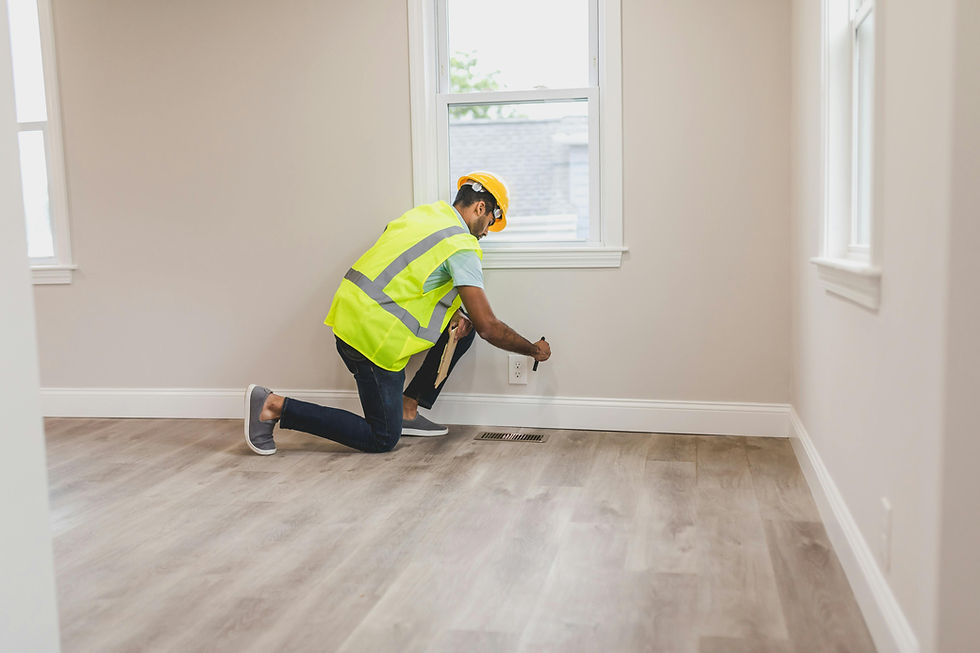
The most useful home inspector tips for buyers share a common thread: preparation and presence make the difference. Show up. Your inspector will spend several hours walking the property, testing systems, probing surfaces, and noting concerns. Being present means you can ask questions in real time, see problems with your own eyes, and leave with a working knowledge of the home's mechanical systems. A written report is valuable, but it is no substitute for standing next to your inspector when they explain why that water stain matters.
Inspectors evaluate the property as it exists today. They are not predicting the future or guaranteeing that nothing will break after closing. What they provide is a thorough, professional assessment of observable conditions, from the foundation to the roof, on the day of the inspection. Understanding that distinction helps buyers read the report with confidence rather than panic.
The 9 Things Inspectors Wish Every Buyer Already Knew
Here are the insights that consistently separate informed buyers from anxious ones.
Inspectors are not deal-killers. Their job is to inform, not to frighten. Every older home has findings. Context matters more than the list length. A long report does not mean a bad house; it means you have a complete picture to work with.
Pre-listing inspections exist for a reason. Sellers who invest in a Pre-Listing Inspection before going to market avoid the gut-punch of surprise repair demands mid-contract. Knowing what a buyer's inspector will find gives sellers the chance to address issues on their own terms, price the home accurately, and move through closing with fewer disruptions.
Radon is not optional in Western Pennsylvania. Pennsylvania has one of the worst radon problems in the country, with roughly 40% of homes testing above the EPA action level. In the Pittsburgh region, abandoned mine workings create underground pathways that channel radon gas directly toward the surface and into living spaces. Radon testing is something Pittsburgh buyers should treat as non-negotiable. It can literally be a life-protecting decision.
Sewer scopes reveal what cameras cannot. The drain lines buried under your yard are invisible to a standard inspection. A Sewer Scope is the only way to confirm they are clear and intact before you inherit a problem that costs thousands to repair.
New construction still needs an inspection. Builders make mistakes. A New Construction (Pre-Drywall) Inspection is not an insult to the builder; it is a professional second set of eyes before you accept the keys. Issues caught before drywall goes up are far less expensive to correct than those discovered after closing.
Wood-destroying insects are common and serious. Termites, carpenter ants, and powder post beetles cause damage that is rarely visible until it is expensive. A Wood Destroying Insect Inspection gives you a clear answer before closing rather than an unwelcome discovery after.
Water quality testing protects your family. Many Western Pennsylvania homes rely on private wells, and even municipal water can carry concerns depending on the age of the supply lines and local conditions. Water Quality Testing removes the guesswork and gives you documented results you can act on.
Commercial properties need specialized eyes. Investors purchasing multi-family or commercial real estate benefit from a Commercial Inspection tailored to the unique systems and liability considerations those properties carry. Residential inspection standards do not apply to commercial assets, and the difference matters.
Your inspector is a resource, not just a vendor. Ask questions. Point out anything that concerned you during showings. Bring a list if it helps. The inspection is a conversation, not a performance you watch from the sidelines, and the more you engage, the more value you take away.
Practical Considerations: Cost, Timing, and Add-On Testing
Inspection costs vary based on the property's size, age, and which add-on services you select. Because no two homes are identical, the most reliable approach is to contact your inspector directly for an accurate quote. Trying to budget around a number you found online is rarely accurate for older Pittsburgh-area housing stock, which often includes aging systems that require more thorough evaluation.
Timing matters too. In a competitive market, buyers sometimes feel pressure to waive or rush the inspection. Resist that pressure. A few extra days to complete a thorough assessment can save you from inheriting a problem that costs far more than the purchase price difference. The Pennsylvania DEP also recommends retesting for radon every five years even after a clean result, because levels shift over time. Scheduling follow-up testing is as important as the initial test.
For a full breakdown of what the process looks like from start to finish, the Home Inspection Process Timeline for Pennsylvania Real Estate is a useful starting point.
Signs You Need to Call a Professional Inspector Right Away
If you are a seller and your listing has sat on the market without offers, or if every buyer seems to walk away after their own inspection, a pre-listing inspection may reveal the issue before it costs you another contract. If you are a buyer in Sewickley, Monroeville, or anywhere else in Allegheny County and the seller is declining to make repairs, having a certified home inspector's documentation gives you objective leverage at the negotiating table.
Buyers purchasing older homes in neighborhoods like Bethel Park or Washington should also consider add-on testing as the default rather than the exception. Aging infrastructure, mature landscaping over sewer lines, and decades of deferred maintenance are common in Western Pennsylvania's housing stock. For guidance on selecting the right inspection team, How to Choose the Best Home Inspector in Pittsburgh Pennsylvania covers exactly what credentials and qualities to look for.
What Makes First Class Home Inspections, LLC the Right Choice in Pittsburgh, PA
Our team has helped hundreds of Pittsburgh, PA buyers, sellers, and investors make confident, informed decisions about some of the most significant purchases of their lives. We are locally rooted, which means we understand the specific risks that Western Pennsylvania homes present, from radon pathways beneath old coal and mining country to aging cast-iron sewer lines in historic neighborhoods. That local knowledge is not something a national franchise can replicate.
We also believe that a thorough inspection and a clear explanation belong together. Reading about what to expect is a great start, and our post on What Does a Home Inspection Include in Pittsburgh PA? can help you walk into the process knowing exactly what your inspector will cover. When you are ready for a team you can trust, we are here.
People Also Ask
What does a home inspector actually check during an inspection?
A home inspector evaluates the visible and accessible components of a property, including the roof, foundation, electrical system, plumbing, HVAC, insulation, and more. The goal is to document the current condition of those systems and identify any significant defects or safety concerns. The inspector does not disassemble components or predict future failures.
How long does a home inspection take in Pittsburgh?
Most single-family home inspections in the Pittsburgh area take between two and four hours, depending on the size, age, and condition of the property. Larger homes or those with multiple add-on services such as radon testing, sewer scoping, or water quality testing may take longer. Planning to attend the full inspection is strongly recommended.
Is radon testing worth it when buying a home in Western Pennsylvania?
Radon testing is strongly worth it in Western Pennsylvania, given that Pennsylvania has one of the highest rates of elevated radon levels in the country. The Pittsburgh region carries additional risk because abandoned mine workings create underground channels that allow radon to migrate toward the surface more easily than in areas without that geology. The gas is odorless and invisible, so testing is the only reliable way to know whether a home is safe. If levels exceed the EPA action level, mitigation systems are available and effective.
Do I need a home inspection on a newly built home?
Yes. New construction homes benefit from an independent inspection just as much as older properties do. Builders and their subcontractors make mistakes, and issues that seem minor during construction can become expensive problems after closing. An inspection before you accept the keys gives you documented grounds to request corrections while the builder is still responsible.
FAQ
Should I attend my home inspection or just read the report afterward?
Attending the inspection is strongly recommended. Being present allows you to ask questions in real time, see issues firsthand, and develop a working understanding of the home's systems. A report is useful, but experiencing the inspection alongside your inspector gives you context that the written document cannot fully convey.
What is the difference between a home inspection and an appraisal?
A home inspection evaluates the physical condition of the property and identifies defects or safety concerns. An appraisal determines the market value of the home for lending purposes. They serve entirely different functions, and neither replaces the other. Most buyers need both before closing.
Can I negotiate repairs after a home inspection?
Yes. The inspection report becomes a factual foundation for negotiating repairs, credits, or a price adjustment with the seller. Having a professional, documented assessment from a certified inspector carries far more weight in those negotiations than a verbal observation from a showing. Your report is a business tool.
How often should radon testing be done in a Pittsburgh-area home?
The Pennsylvania DEP recommends testing for radon every five years even if a previous test came back clean, because radon levels change over time and vary from house to house. If you have had a mitigation system installed, regular retesting is essential to confirm the system continues to perform effectively.
Schedule Your Inspection with a Trusted Pittsburgh, PA Team
Whether you are buying your first home in Cranberry Township, selling a property in Aliquippa, or investing in a multi-unit building in Pittsburgh, a thorough professional inspection is the foundation of a smart transaction. With deep roots in Western Pennsylvania and a commitment to clear, honest reporting, First Class Home Inspections, LLC brings the kind of local expertise that turns a stressful process into a confident one.
Do not leave one of the biggest financial decisions of your life to chance. Our inspectors are ready to walk the property with you, answer every question, and give you the detailed picture you need to move forward with certainty.
Visit First Class Home Inspections, LLC or call 570-660-9337 today. Our full-service inspections are built to protect Pittsburgh-area buyers, sellers, and investors at every stage of the transaction. Contact us for more information.


Comments