
What Foundation Problems Do Pittsburgh Inspectors Find?

Updated: 3 days ago
Quick Answer
Pittsburgh's hilly terrain and aging housing stock make foundation issues one of the most common findings during a professional home inspection.
Horizontal cracks, bowing walls, and stair-step cracking in block foundations are warning signs that go beyond normal settling and should never be dismissed.
Many buyers and sellers misread foundation movement as cosmetic damage, leading to costly surprises after closing.
A certified home inspector can distinguish minor settling from structural concerns that require a licensed engineer's evaluation.
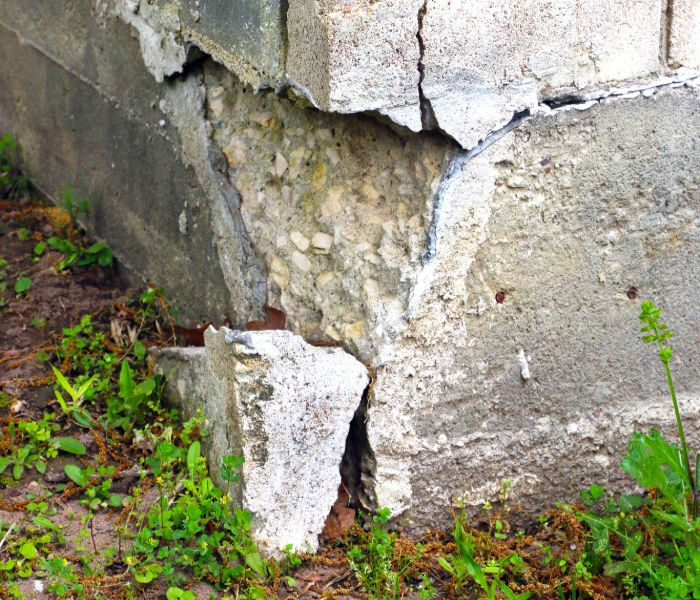
Pittsburgh sits on some of the most geologically complex ground in Pennsylvania. Homes perched on hillsides in Bethel Park, Sewickley, and across Allegheny County face constant pressure from freeze-thaw cycles, clay-heavy soil that swells when wet, and in some areas, abandoned mine workings below the surface. When you are about to buy or sell a home, foundation problems are the last thing you want to find out about after closing.
The reality is that foundation issues are among the most frequently reported findings during a professional home inspection in the Pittsburgh area. Knowing what inspectors look for, what the warning signs mean, and how to respond gives you real negotiating power and peace of mind. If you want to understand the full scope of what gets evaluated during a thorough inspection, start by reading What Does a Home Inspection Include in Pittsburgh PA? before your next scheduled walkthrough.
What Foundation Problems Home Inspectors Commonly Find in Pittsburgh Homes
Pittsburgh's older housing stock, combined with the region's geology, creates conditions where foundation concerns appear more often than in flatter, younger markets. Inspectors are trained to read the patterns that separate minor settling from active structural movement.
Here is what shows up most often during a Home Inspection (Single-Family) in Western Pennsylvania:
Stair-step cracks in brick or block mortar joints, often a sign of differential settling in the footer below
Horizontal cracks in poured concrete or block walls, which can indicate lateral soil pressure pushing inward
Bowing or leaning basement walls that have shifted measurably from plumb
Gaps between the foundation and the sill plate, which allow both moisture and pests to enter
Efflorescence, the white chalky mineral deposits left behind when water repeatedly migrates through masonry
Common Myths About Foundation Cracks That Cost Buyers Money
One of the most expensive myths in real estate is that all foundation cracks are normal. Sellers sometimes describe hairline cracks as "just settling," and buyers often accept that answer without a second thought. The truth is that some cracks are normal, and some signal active movement that will worsen every season.
Vertical hairline cracks in poured concrete walls are often the result of curing shrinkage and remain stable for decades. Horizontal cracks and diagonal cracks that widen over time are different stories entirely. A trained inspector knows which patterns are dormant and which ones point toward a problem that will require engineering review, not just a coat of hydraulic cement.
How First Class Home Inspections, LLC Approaches Foundation Evaluation
At First Class Home Inspections, LLC, foundation assessment is not a quick visual pass. Inspectors systematically evaluate the exterior grade, the visible foundation perimeter, and the full interior of the basement or crawl space, looking for patterns across all four walls rather than treating cracks as isolated events.
Reading the Full Picture
A single crack in one corner means something different than cracks appearing symmetrically on opposite walls. Inspectors document crack width, orientation, and any evidence of recent patching that might conceal older movement. They also look at related systems, including gutters, grading, and downspout extensions, because drainage failures around the home are the leading cause of hydrostatic pressure that damages foundations over time.
For investors evaluating commercial or multi-unit properties in the Pittsburgh area, a Commercial Inspection follows the same rigorous methodology and gives you the detailed documentation needed to make sound financial decisions.
What Happens When a Concern Is Found
When a potential structural issue is identified, the inspector clearly documents it in the written report with photos and a recommended course of action. That usually means referring the buyer or seller to a licensed structural engineer for a dedicated evaluation before any repair quotes are sought. Catching this during the inspection phase, rather than after closing, puts you in control of the outcome.
Sellers benefit just as much from this process. Scheduling a Pre-Listing Inspection before putting a home on the market means foundation concerns are identified and addressed on your timeline, not during a buyer's inspection that could derail a deal at the worst possible moment.
Cost and Timeline Considerations for Pittsburgh Area Homeowners
Foundation repair costs vary widely depending on the cause, severity, and method of repair. A minor crack sealed with epoxy injection is a very different project from installing interior drainage or replacing a failing block wall. Because repair scope is so situation-specific, it is not realistic to estimate costs without an engineering assessment first.
What a home inspection does give you is the documented starting point you need to get accurate repair quotes and make an informed decision. Inspectors at First Class Home Inspections, LLC serve communities from Washington and Monroeville to Cranberry Township and Aliquippa, and they understand the specific soil and drainage conditions common to each area. For a precise quote on inspection services, contact the team directly rather than relying on general ranges that may not reflect your specific property type or location.
People Also Ask
How serious is a horizontal crack in a basement wall?
Horizontal cracks in basement walls are among the more serious types because they typically indicate lateral pressure from saturated soil pushing inward against the wall. Unlike vertical shrinkage cracks, horizontal cracks can worsen over time and may eventually compromise the structural integrity of the wall. A licensed structural engineer should evaluate any horizontal crack before purchase or repair.
Do home inspectors check for foundation problems?
Yes, foundation assessment is a standard part of every general home inspection. Inspectors evaluate visible foundation walls, the floor above the basement, window and door alignment, and exterior grading for signs of movement or water intrusion. However, a home inspector identifies concerns and recommends further evaluation rather than providing an engineering diagnosis.
What causes foundation problems in Pittsburgh homes specifically?
Pittsburgh's clay-heavy soils expand when wet and contract when dry, creating cyclical pressure on foundation walls. Steep hillside lots common throughout Allegheny County add lateral soil loads, and in some neighborhoods, old mine workings beneath the surface contribute to subsidence risk. Freeze-thaw cycles each winter also accelerate cracking in older block and stone foundations.
How often should a foundation be inspected?
Most experts recommend having a home inspection that includes foundation evaluation any time a property changes hands. For homeowners who are not selling, having the foundation reviewed whenever you notice new cracks, sticking doors, or uneven floors is a practical approach. A professional inspection every few years provides documentation that helps you track whether any movement is active or stable.
FAQ
What is the difference between a home inspector's findings and a structural engineer's report?
A home inspector identifies visible evidence of potential foundation concerns and recommends further evaluation when needed. A structural engineer provides a formal engineering diagnosis, specifies the cause of movement, and designs a repair solution. Both play important roles, and inspectors are trained to know when an engineer is the appropriate next step.
Should I get a foundation inspection before listing my home for sale?
Getting a pre-listing inspection that includes a thorough foundation review is one of the smartest steps a seller can take. It eliminates surprises during the buyer's inspection period, gives you time to address issues on your schedule, and demonstrates transparency that builds buyer confidence.
Can foundation problems be negotiated in a home sale?
Yes, documented foundation concerns identified during an inspection give buyers a factual basis for requesting repairs, a price reduction, or a repair credit at closing. Having a detailed inspection report with photos makes that negotiation specific and credible rather than speculative.
Do Pittsburgh homes have radon problems related to their foundation?
Foundation cracks and gaps in the sill plate are common entry points for radon gas, and this matters significantly in Western Pennsylvania. Pennsylvania has one of the highest radon occurrence rates in the country, with roughly 40% of homes in the state testing above the EPA's action level of 4.0 pCi/L. In the Pittsburgh region, old mine workings beneath some neighborhoods can give radon easier pathways to reach living spaces, making radon testing an important companion to any foundation evaluation.
Get a Trusted Foundation Assessment Before You Commit
Foundation problems discovered after closing can turn a confident purchase into a financial burden. With years of experience serving Pittsburgh-area buyers, sellers, and investors, First Class Home Inspections, LLC provides thorough, clearly documented inspections that give you the information you need to move forward with confidence. Whether you are purchasing a century-old craftsman in Sewickley or a mid-century ranch in McKees Rocks, the team knows what to look for in the specific conditions of Western Pennsylvania.
You can also read What Inspectors Actually Look for During a Home Inspection in Allegheny County to go deeper on the inspection process before your appointment. Do not wait until a foundation concern becomes a foundation crisis.
Visit First Class Home Inspections, LLC or call 570-660-9337 today. Booking your inspection now means you get expert eyes on the property before you are committed. Contact us for more information.


Comments