
What Does a Multi-Family Property Inspection Cover?
Updated: 3 days ago
Quick Answer
A multi-family property inspection evaluates every unit, shared system, and structural component in a duplex, triplex, or larger residential investment property.
Skipping a thorough inspection on a multi-family property in Pittsburgh can expose investors to costly hidden defects in aging electrical panels, clay sewer laterals, and roofing systems.
First Class Home Inspections, LLC provides detailed multi-family inspections across Western Pennsylvania, giving buyers and investors the confidence to negotiate or walk away with clear evidence in hand.
Add-on testing for radon, water quality, and sewer scope is strongly recommended for multi-family properties in the Pittsburgh region because these issues rarely show obvious warning signs.
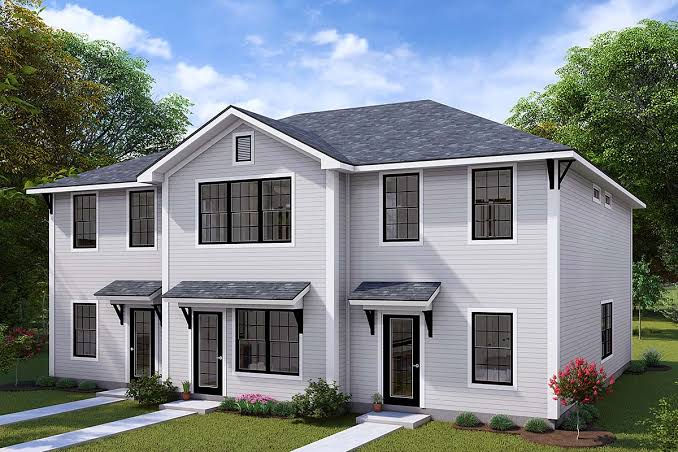
You are about to close on a duplex in Bethel Park, and your agent assures you the property has been well maintained. The building looks solid from the curb. But behind the walls, every unit is sharing one aging electrical panel, the clay sewer lateral has not been scoped in decades, and the basement in Unit A has been quietly collecting radon for years. None of that is visible during a walkthrough, and none of it shows up on a seller disclosure.
That scenario plays out more often than most investors realize, and the financial consequences of missing it are significant. A professional Multi-Family Inspection gives you a documented, system-by-system evaluation of every unit and every shared component before you commit to the purchase. In Pittsburgh, PA, where the housing stock spans well over a century, that level of detail is not optional, it is essential. If you want to understand everything a professional inspection covers in this region, our post on What Does a Home Inspection Include in Pittsburgh PA? is a strong place to start.
What a Multi-Family Property Inspection Covers
A multi-family inspection follows the same foundational methodology as a standard residential inspection, but the scope expands considerably because there are multiple living units, shared mechanical systems, common areas, and exterior structures all under one roof. Each component is evaluated for current condition, safety, and remaining useful life.
Here is what a thorough inspection covers:
Every unit interior, including ceilings, walls, floors, windows, doors, and unit-level plumbing and electrical
The roofing system, gutters, flashing, and any flat or low-slope sections common on Western PA multi-family buildings
Foundation, structural framing, and basement or crawl space conditions in each accessible area
Shared mechanical systems including the heating source, water heater, electrical service panel, and any central ventilation
Exterior elements such as siding, grading, walkways, stairs, porches, and shared entry points
Common Mistakes Investors Make Before Buying Multi-Family Properties
One of the most frequent mistakes is assuming that a visual walkthrough with a contractor substitutes for a licensed home inspection. A contractor may estimate repair costs, but they are not trained to conduct a systematic evaluation of every component or to document deficiencies in a format that supports negotiation or due diligence. Investors who skip the formal inspection often discover structural or mechanical problems only after the sale closes, when all leverage is gone.
A second mistake is treating a multi-family inspection as identical to a Home Inspection (Single-Family) and expecting the same scope and timeline. Multi-family properties involve more units, more systems, and more square footage. Rushing the process or hiring an inspector unfamiliar with investment properties means entire sections of a building may receive only a surface-level review. That is not the kind of report you want when a six-figure purchase is on the line.
How First Class Home Inspections, LLC Approaches Multi-Family Properties
At First Class Home Inspections, LLC, a multi-family inspection is treated as a comprehensive evaluation of both individual units and the building as a whole. The inspection is methodical, unit by unit and system by system, so nothing is combined or glossed over simply because one unit looked acceptable. Every deficiency is documented with photos and clear written explanations, giving you a report you can actually use.
Evaluating Shared Systems and Hidden Infrastructure
Shared systems are where multi-family buildings carry the most risk. Older properties across Western Pennsylvania, including neighborhoods in Sewickley, Monroeville, and throughout Allegheny County, frequently have electrical panels that predate modern load requirements and clay sewer laterals that have been cracking and root-infiltrating for decades. A sewer scope inspection run alongside the standard evaluation can identify those lateral conditions before you sign anything, and our blog post What Does a Home Inspection Include in Pittsburgh PA? explains how these add-on services integrate into a complete inspection.
Add-On Testing That Matters for Investment Properties
Radon testing Pittsburgh investors often overlook is particularly important in multi-family buildings because ground-floor and basement units can show elevated levels that upper units do not. Water quality testing is equally critical if the property draws from a private well, which is common in the rural reaches of our service area including Armstrong, Indiana, and Fayette Counties where municipal water is not always available. These tests are scheduled alongside the main inspection so you receive a complete picture, not a fragmented one.
For larger or mixed-use buildings, a Commercial Inspection may be the more appropriate service, and our team can help you determine which inspection type fits your specific property.
Practical Considerations for Pittsburgh-Area Investors
Scheduling and cost for a multi-family property inspection in Pittsburgh will vary based on the number of units, the total square footage, the age of the building, and which add-on services you include. Because no two investment properties are the same, providing a meaningful estimate requires knowing the specifics of your property. Contact First Class Home Inspections, LLC directly for an accurate quote tailored to your building.
Timing matters as well. Multi-family inspections take longer than single-family evaluations, and coordinating access to occupied units requires advance communication with tenants. Building that lead time into your due diligence window before your inspection contingency deadline is a decision that protects both your schedule and your investment.
People Also Ask
What is included in a multi-family property inspection?
A multi-family inspection covers every unit interior, all shared mechanical systems such as heating, plumbing, and electrical, the roof, foundation, and all exterior components. Add-on services like radon testing, sewer scope, and water quality testing provide a more complete picture of the property's condition and are strongly recommended for investment purchases.
How long does a multi-family inspection take?
The time required depends on the number of units and the overall size of the building. A duplex typically takes longer than a comparable single-family home, and larger multi-unit properties require proportionally more time. Your inspector can give you a realistic time estimate once the property details are confirmed.
Do I need a separate inspection for each unit in a multi-family building?
No, a single multi-family inspection covers all units and shared systems as one comprehensive service. Each unit is evaluated individually, but the findings are compiled into one unified report that addresses both unit-specific conditions and building-wide concerns for the buyer's complete review.
Is radon testing necessary for a multi-family property in Pittsburgh?
Radon testing is highly recommended for any property in the Pittsburgh region, and multi-family buildings present additional complexity because levels can vary between units at different floors. Ground-floor and basement units are at greatest risk, and testing each relevant space ensures no elevated readings are missed before the sale closes.
FAQ
Do I need to be present during the multi-family inspection?
Your presence is encouraged but not required for every moment of the inspection. Being available at the end to walk through the findings with your inspector is the most valuable use of your time, as it allows you to ask questions and prioritize what matters most before making decisions.
Can a multi-family inspection help me negotiate the purchase price?
Absolutely. A detailed inspection report documents every deficiency with photos and written descriptions, giving you factual grounds to request repairs, ask for a price reduction, or negotiate seller concessions. Buyers who go into negotiations with a thorough report consistently have more leverage than those relying on verbal representations.
What if some units are tenant-occupied and access is limited?
Your inspector will document any areas that were inaccessible at the time of inspection, and a follow-up visit can be scheduled once access is available. It is important to arrange tenant access before the inspection date so the evaluation can be as complete as possible within your contract timeline.
Is a multi-family inspection different from a commercial inspection?
They share some overlap, but a multi-family inspection is specifically designed for residential investment properties such as duplexes, triplexes, and small apartment buildings. Larger or mixed-use buildings are better suited to a commercial inspection. First Class Home Inspections, LLC offers both and can help you determine which service applies to your property.
Get a Trusted Multi-Family Inspection Before You Invest in Pittsburgh
Multi-family properties in Western Pennsylvania represent real opportunity, but the older building stock throughout communities like Washington, Cranberry Township, and Aliquippa means the risks are just as real as the rewards. With years of experience helping buyers, sellers, and investors across the Greater Pittsburgh area, First Class Home Inspections, LLC delivers the systematic, documented evaluations that protect your investment from the first offer through closing day.
Do not let a preventable defect become an expensive surprise after the sale. A professional inspection gives you the clarity to move forward with confidence or the evidence to negotiate a better deal. Visit First Class Home Inspections, LLC or call 570-660-9337 today. Booking your inspection now means you stay ahead of your contingency deadlines and walk into closing fully informed. Contact us for more information.


Comments