
What Does a Full Home Inspection Really Include?
- First Class Home Inspections

- Jan 13
- 5 min read
AI Summary
A full home inspection evaluates the structure, systems, and safety of a property
It helps buyers understand current conditions and future maintenance needs
Inspections include interior, exterior, major systems, and visible components
The final report supports confident decisions and inspection negotiations

Buying a home is one of the largest financial decisions most people will ever make. A full home inspection plays a critical role in that process by providing a professional evaluation of the property’s condition. While many buyers know inspections are important, fewer understand what is actually included and how much value they provide.
For buyers searching for a reliable house inspection near Greater Pittsburgh, understanding what a full inspection covers helps set clear expectations and avoid surprises after closing.
Below is a detailed breakdown of what a full home inspection really includes and why it matters.
What a Full Home Inspection Is Designed to Do
A full home inspection is a non-invasive visual evaluation of a residential property performed by a trained professional. The purpose is to identify safety concerns, existing defects, and signs of potential future repairs. It is not a pass or fail test, nor is it a warranty.
A professional house inspection service gives buyers the information they need to make confident, informed decisions before finalizing a purchase.
Structural Components and Foundation
The inspection begins with the structure of the home. Inspectors evaluate the foundation, framing, floors, walls, ceilings, and other visible structural components.
Inspectors look for:
Cracks or movement in foundation walls
Uneven floors or sagging areas
Signs of moisture intrusion or water damage
Evidence of past structural repairs or alterations
Foundation-related concerns can be costly if not identified early. A full inspection helps buyers understand whether issues are cosmetic or potentially structural.
Exterior of the Home
The exterior inspection focuses on how well the home protects itself from the elements. This is especially important in Western Pennsylvania, where seasonal weather can impact exterior materials.
Exterior components inspected include:
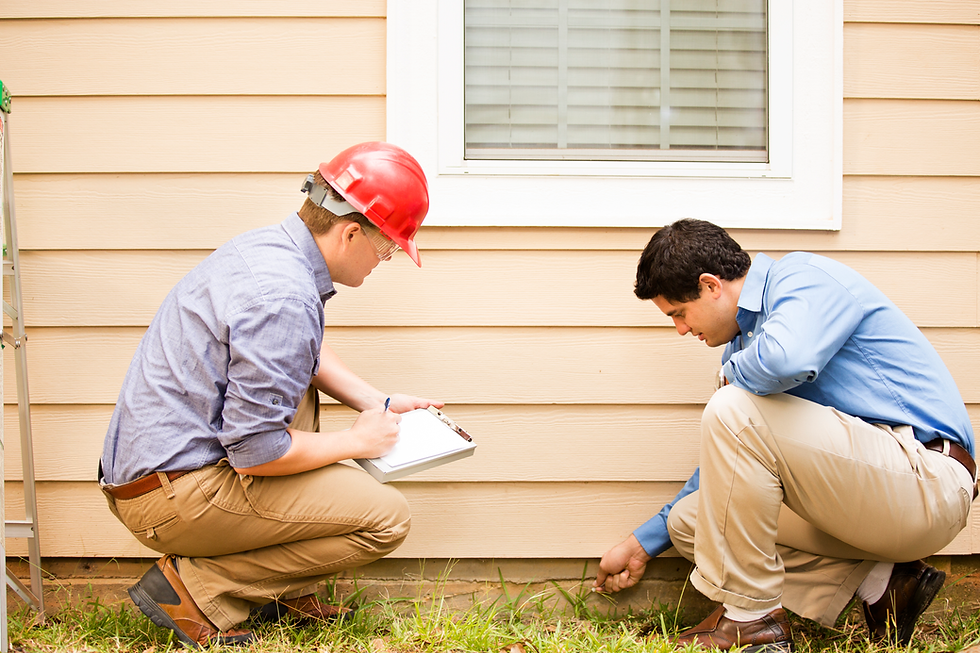
Siding, trim, and exterior walls
Windows and exterior doors
Walkways, driveways, decks, and porches
Railings and steps for safety
Inspectors also assess grading and drainage to identify conditions that could allow water to collect near the foundation.
Roofing System
The roof is one of the most important and expensive parts of a home. During a full home inspection, inspectors examine visible roofing components for signs of damage or wear.
Roofing evaluation includes:
Roof covering condition
Flashing around chimneys and roof penetrations
Gutters and downspouts
Visible signs of leaks or moisture intrusion
While inspectors do not predict exact roof lifespan, they do identify conditions that may require repair or further evaluation.
Plumbing System
A full home inspection includes a detailed review of the plumbing system. Inspectors check for proper operation, visible leaks, and material concerns.
Plumbing inspection covers:
Visible supply and drain lines
Water pressure and flow
Faucets, sinks, tubs, and showers
Toilets and flushing performance
Water heater condition and installation
Plumbing problems discovered during a house inspection service can range from minor repairs to issues that affect long-term reliability.
Electrical System
Electrical safety is a major focus of any home inspection. Inspectors evaluate the main electrical service and visible components throughout the home.
Electrical checks include:
Main service panel and breakers
Visible wiring and connections
Outlets, switches, and fixtures
Ground fault and arc fault protection
Inspectors look for outdated wiring, improper installations, and safety hazards that could increase fire risk.
Heating and Cooling Systems
Heating and cooling systems are inspected to confirm safe operation and general condition. Systems are tested using standard controls when conditions allow.
This inspection includes:
Furnaces, boilers, and heat pumps
Central air conditioning units
Thermostat operation
Visible ductwork
Although inspections do not measure efficiency, they do identify systems nearing the end of their expected service life.
Interior Components
Inside the home, inspectors examine visible interior components for safety, functionality, and signs of damage.
Interior inspection includes:
Walls, ceilings, and floors
Doors and windows
Stairs, railings, and handrails
Cabinets and countertops
Inspectors also look for water stains, cracks, or workmanship concerns that may suggest underlying issues.
Attic, Crawl Space, and Insulation
When accessible, attics and crawl spaces are inspected to evaluate insulation, ventilation, and moisture conditions.
Inspectors review:
Insulation coverage and depth
Ventilation systems
Signs of leaks or condensation
Visible framing or structural components
These areas often reveal issues that are not visible in finished living spaces.
Built-In Appliances
A full home inspection typically includes testing built-in appliances that are part of the home.
Common appliances tested include:
Ranges and cooktops
Ovens
Dishwashers
Garbage disposals
Bathroom and kitchen exhaust fans
Appliance testing confirms basic operation at the time of inspection.
Optional and Specialized Services
Depending on the property and location, buyers may choose additional services for a more complete evaluation.
Common add-on services include Radon Testing, Sewer Line Inspections, Septic System Evaluations, Well Flow Testing, and Water Quality Testing. These services are often recommended for older homes or properties outside municipal utility areas.
A trusted house inspection service will explain which additional inspections may be appropriate based on the property.
The Inspection Report
After the inspection, buyers receive a detailed written report outlining findings, photos, and recommendations.
The report helps buyers:
Understand the home’s condition
Identify safety concerns
Support repair negotiations
Plan future maintenance
Clear and thorough reporting is essential for making informed decisions.
People Also Ask About Full Home Inspections
How long does a full home inspection take?
Most inspections take two to four hours, depending on the size and condition of the home.
Do home inspectors check everything?
Inspectors evaluate visible and accessible components but cannot inspect areas hidden behind walls or flooring.
Can a home inspection fail?
Home inspections do not pass or fail. They document conditions to help buyers decide how to proceed.
Should buyers attend the inspection?
Attending allows buyers to ask questions and better understand the findings in real time.
Frequently Asked Questions
Is a full home inspection required before buying?
It is not legally required, but it is strongly recommended to reduce risk and avoid unexpected repairs.
Can inspection results be used to negotiate?
Yes. Many buyers use inspection findings to request repairs or adjust pricing.
Are repairs included with the inspection?
Inspectors do not perform repairs. They identify and document conditions only.
What happens if major issues are found?
Buyers may negotiate, request further evaluation, or reconsider the purchase.
Making Informed Decisions With Confidence
A full home inspection provides clarity and peace of mind during the buying process. At First Class Home Inspections, we deliver thorough evaluations and clear reporting so buyers can move forward with confidence.
We proudly provide professional house inspection services throughout Greater Pittsburgh and the surrounding areas.
If you are searching for a dependable house inspection near Greater Pittsburgh, our team is ready to help. Call (570) 660-9337 to schedule an inspection or speak with a knowledgeable professional today.



Comments