
Commercial Property Inspection in Pittsburgh: What Business Buyers Need to Know

AI Summary
Commercial property inspections are more complex than residential and require experience with larger mechanical systems and commercial construction
Pittsburgh's industrial and commercial real estate market includes properties ranging from small retail spaces to multi-tenant office buildings
A thorough commercial inspection identifies deferred maintenance, code issues, and capital expenditure needs before purchase
First Class Home Inspections provides commercial property inspections throughout Pittsburgh and Western PA
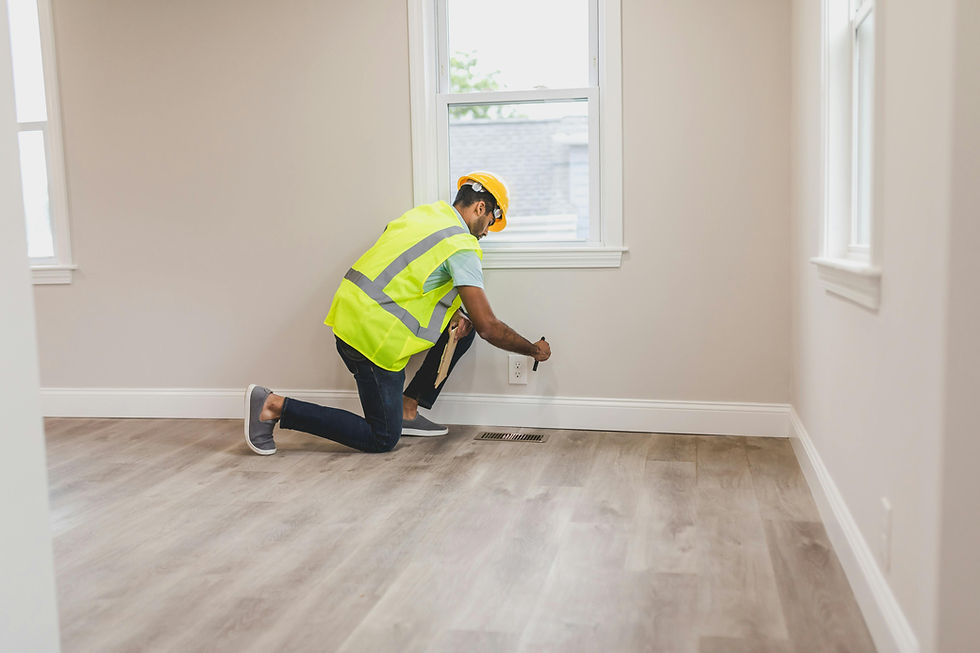
Purchasing commercial real estate is one of the largest financial decisions a business owner or investor makes. Unlike a residential home purchase where the stakes are primarily personal, a commercial property acquisition involves business operations, tenant obligations, financing covenants, and long-term capital planning. Getting a thorough commercial inspection before closing is not just good practice; it is essential protection for your investment.
Commercial inspections share the same fundamental goal as residential inspections: document the condition of the property's systems and components, identify deficiencies, and give the buyer the information needed to make an informed decision. But the scope, complexity, and stakes are significantly higher.
What a Commercial Property Inspection Covers
A commercial property inspection evaluates the building's structural components, exterior envelope, roof, and major mechanical systems including HVAC, electrical distribution, plumbing, and fire safety systems. The scope is adapted to the type of property; an office building inspection differs from a retail strip mall inspection, which differs from a light industrial warehouse inspection.
Structural elements examined include the foundation, floor systems, exterior walls, and roof framing. The roof system is often one of the most significant capital items in a commercial building, and its condition, remaining useful life, and maintenance history receive substantial attention. Mechanical systems evaluation in commercial buildings often involves multiple HVAC units, commercial plumbing configurations, and three-phase electrical service, all of which require experience beyond residential inspection scope.
Why Commercial Buildings Present Unique Risks
Commercial properties have often passed through multiple ownership and tenant cycles, each of which may have included modifications to the building's systems or structure. Tenant improvements, build-outs, and utility modifications can affect structural integrity, electrical capacity, and fire separation compliance. Deferred maintenance is common in commercial buildings, where owners may have delayed capital investment to improve short-term cash flow.
Older Pittsburgh commercial buildings may have legacy systems that are expensive to bring into current code compliance. Lead paint and asbestos-containing materials are common in buildings constructed before the 1980s and require specific evaluation and disclosure. Underground storage tanks associated with prior occupants can create significant environmental liability if not identified before purchase.
Reading a Commercial Inspection Through a Capital Planning Lens
One of the most valuable outputs of a commercial inspection is a framework for capital expenditure planning. Understanding that a building's roof has an estimated 8 years of remaining useful life, that two of the four HVAC units are approaching end of service, and that the parking lot requires resurfacing within three years allows a buyer to budget realistically for ownership costs beyond the purchase price.
Before closing on a commercial property, buyers should understand not just what is wrong now but what will need investment in the next five to ten years. A thorough commercial inspection report provides the data needed to build that capital plan and to evaluate whether the purchase price reflects the property's actual condition.
Phase I Environmental Considerations
A commercial property inspection typically focuses on the building's physical condition, but many commercial buyers also obtain a Phase I Environmental Site Assessment (ESA) as part of their due diligence. A Phase I identifies recognized environmental conditions associated with the property, including potential contamination from prior industrial use, underground storage tanks, or neighboring properties.
In Pittsburgh and the broader Western PA region, the history of heavy manufacturing means environmental conditions are a meaningful concern for commercial buyers, particularly for properties in industrial corridors or former manufacturing zones. A Phase I is separate from the building inspection and is conducted by an environmental professional, but the two investigations are complementary components of commercial due diligence.
People Also Ask
How long does a commercial property inspection take?
Commercial inspections take significantly longer than residential inspections. A small retail space may require a half day; a larger multi-tenant building or industrial property can take a full day or more. The timeline depends on the building size, complexity of systems, number of tenant spaces, and availability of access. Allow ample time in your due diligence schedule.
What documents should a commercial buyer review before the inspection?
Before the inspection, request any available maintenance records, service agreements, warranty documentation on roof or mechanical systems, prior inspection reports, certificate of occupancy, and documentation of any permits pulled for tenant improvements or renovations. These records provide context for the inspector's findings and reveal whether the building has been maintained appropriately.
Is a commercial inspection required by commercial lenders?
Requirements vary by lender and loan program. Most commercial lenders require some form of property condition assessment as part of their underwriting. Some require a full commercial inspection following ASTM E2018 standards, while others accept a more limited scope. Confirm requirements with your lender early in the process to ensure the inspection you order meets their standards.
Can the same inspector do residential and commercial inspections?
Not all residential inspectors are qualified for commercial work. Commercial buildings have substantially more complex systems, larger mechanical equipment, and different code frameworks than residential properties. Look for an inspector with demonstrated experience in commercial property inspection, including familiarity with the property type you are purchasing.
FAQ
What is the difference between a commercial inspection and a property condition assessment?
A commercial inspection is a general term for an evaluation of a commercial building's condition. A Property Condition Assessment (PCA) specifically refers to an inspection conducted following ASTM E2018 standards, which is often required by commercial lenders. A PCA includes a more formal report structure and may involve a higher level of documentation than a typical commercial inspection.
Should I include a structural engineer in a commercial inspection?
For larger buildings, older structures, or properties where the inspection reveals potential structural concerns, involving a structural engineer is advisable. A commercial inspector can identify conditions that warrant further evaluation; a structural engineer provides the licensed analysis and documentation needed to understand the scope and cost of structural issues.
What happens if major problems are found in a commercial inspection?
Major findings in a commercial inspection typically lead to one of three outcomes: the seller agrees to remediate the issues before closing, the purchase price is adjusted to reflect the cost of necessary repairs, or the buyer exercises due diligence contingencies to terminate the transaction. Commercial real estate contracts typically include inspection contingencies that protect buyers during this process.
Does a commercial inspection include tenant spaces?
Access to tenant spaces depends on lease agreements and tenant cooperation. In multi-tenant buildings, inspectors typically assess common areas and as many tenant spaces as can be accessed. Spaces that cannot be accessed are noted as limitations. Buyers should attempt to arrange broad access in advance through the seller or property manager.
Schedule a Commercial Inspection in Pittsburgh
Protect your commercial investment with a thorough pre-purchase inspection. Visit First Class Home Inspections, LLC or call 570-660-9337 today. We provide commercial property inspections throughout Pittsburgh and Western PA for buyers who need accurate information before they close. Contact us for more information.


Comments